ความลับใต้หนังศีรษะที่คุณไม่เคยรู้: มองเห็นด้วย Trichoscopy

บทความโดย นายแพทย์ ปิยะวัฒน์ ภูมิสุวรรณ

ความลับใต้หนังศีรษะที่คุณไม่เคยรู้: เมื่อ “ผมบาง” ในผู้หญิง ไม่ใช่แค่เรื่องของฮอร์โมน แต่คือ “การอักเสบและพังผืด”

​เมื่อเราพูดถึง “ผมบางในผู้หญิง” หรือ Female Pattern Hair Loss (FPHL) เรามักนึกถึงภาพของคุณแม่หรือคุณยายที่มีผมบางลงตามวัย เรามักโทษฮอร์โมนหรือพันธุกรรม และทำใจยอมรับมัน แต่ข้อมูลจากงานวิจัยล่าสุดได้เปลี่ยนมุมมองการรักษาเรื่องนี้ไปอย่างสิ้นเชิงครับ

​วันนี้ผมจะมาย่อยงานวิจัยที่เจาะลึกเรื่องนี้ (Cross-sectional Observational Study) ในคนไข้หญิง 90 ราย เพื่อให้คุณเข้าใจว่า ทำไม “การรอ” ถึงเป็นศัตรูตัวร้ายที่สุดของเส้นผม

​🔍 ส่องกล้องมองหาความจริง (Trichoscopy)

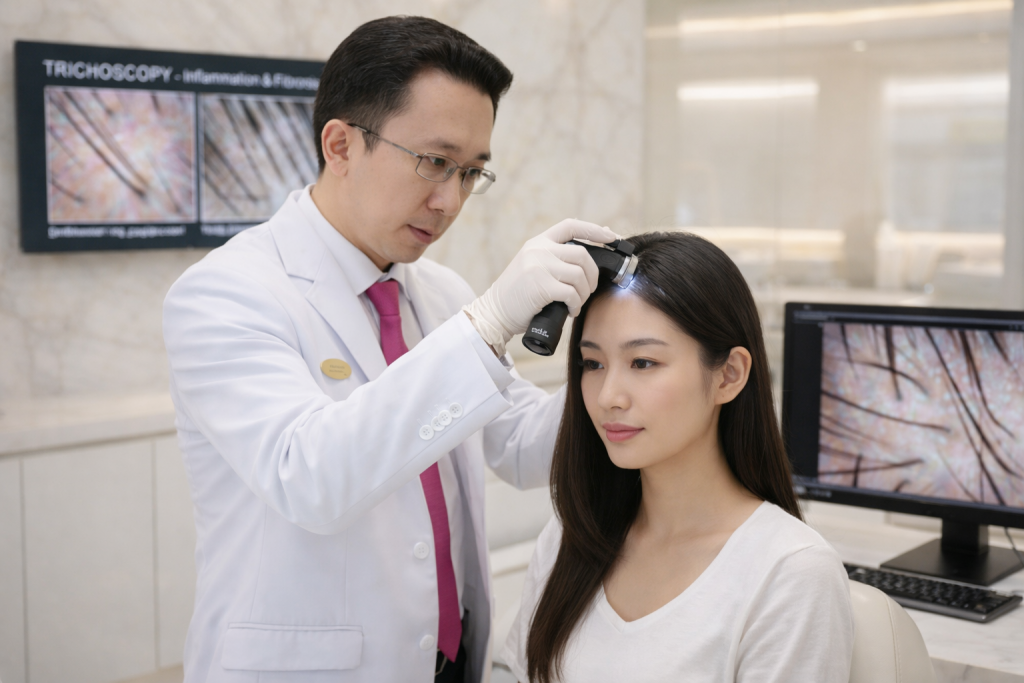
ในอดีต เราอาจแค่มองด้วยตาเปล่าแล้ววินิจฉัย แต่ปัจจุบันเรามี “Trichoscopy” หรือกล้องขยายภาพหนังศีรษะ ซึ่งเปรียบเสมือน “แว่นขยายของนักสืบ” งานวิจัยนี้ยืนยันครับว่า สิ่งที่เรามองไม่เห็นด้วยตาเปล่า แต่กล้องเห็น คือกุญแจสำคัญ:

🚩เส้นผมขนาดไม่เท่ากัน (Anisotrichosis): เส้นใหญ่บ้าง เล็กบ้าง ปนกัน เป็นสัญญาณแรกเริ่มที่สุดที่บอกว่ารากผมคุณเริ่มอ่อนแอ 

🚩รอยโรคคล้ายเป้ายิงปืน (Dartboard Sign): เป็นวงสีต่าง ๆ รอบรูขุมขน สื่อถึงความรุนแรงของโรค  

​🔥 ภัยเงียบ: การอักเสบ (Inflammation)

สิ่งที่น่าตกใจจากผลการตรวจชิ้นเนื้อ (Biopsy) ในงานวิจัยนี้พบว่า กว่า 73% ของคนไข้มีการอักเสบซ่อนอยู่ใต้ผิวหนัง และเมื่อส่องกล้อง เราจะเห็นเป็น “วงแหวนสีน้ำตาล” (Brown Peripilar Sign) รอบรูขุมขน 

​นี่คือ “ช่วงเวลานาทีทอง” ครับ เพราะการอักเสบแปลว่ารากผมกำลังถูกโจมตี หากเรารักษาในระยะนี้ ทั้งการใช้ยาทา ยาทาน แชมพูยา หรือ ทำทรีตเมนต์ เพื่อลดการอักเสบ เราจะสามารถยับยั้งความเสียหายได้ทันท่วงที 

​🚨 จุดเปลี่ยนที่น่ากลัว: พังผืด (Fibrosis)

หากปล่อยการอักเสบทิ้งไว้นานๆ โดยไม่รักษา หรือรักษาผิดวิธี สิ่งที่ตามมาคือ “วงแหวนสีขาว” (White Peripilar Sign) ซึ่งงานวิจัยระบุชัดเจนว่า สัมพันธ์กับระยะเวลาที่เป็นมานาน และเมื่อตรวจชิ้นเนื้อลงไป จะพบภาวะ “พังผืดรอบรากผม” (Perifollicular fibrosis) 

​พูดง่ายๆ คือ รากผมเดิมที่เคยมีชีวิต ถูกแทนที่ด้วยแผลเป็น ทำให้ผมใหม่ไม่สามารถงอกขึ้นมาได้อีก หรือเส้นเล็กลงมากจนมองแทบไม่เห็น งานวิจัยพบว่าเกือบ 1 ใน 3 ของคนไข้ที่ผมบางมาก มีภาวะพังผืดนี้เกิดขึ้นแล้ว ซึ่งนั่นทำให้หมอมองว่า โรคผมบางในผู้หญิง ควรถูกพิจารณาว่าเป็นโรคที่ทำให้เกิดแผลเป็นขนาดจิ๋ว (Micro-cicatricial alopecia) ได้เลยทีเดียว 

​💡 บทสรุปและการดูแลตัวเอง

สิ่งที่ผมอยากฝากไว้จากข้อมูลงานวิจัยนี้คือ:

​✅️อย่ารอให้บางจนเพื่อนทัก: คนไข้ 90% ในงานวิจัยนี้ มาหาหมอเมื่ออาการรุนแรงแล้ว (Severity score ≥10) ซึ่งกู้คืนยาก 

​✅️สังเกตตัวเอง: ถ้ารอยแสกกว้างขึ้นเกิน 1 ซม. หรือผมด้านหน้าบางลง ให้รีบปรึกษาแพทย์ 


​♦️การรักษาต้องตรงจุด: ถ้าตรวจพบการอักเสบ แพทย์อาจจำเป็นต้องจ่ายยาหรือทำทรีตเมนต์เพื่อลดการอักเสบร่วมด้วย ไม่ใช่แค่ให้ยาปลูกผมเพียงอย่างเดียว เพื่อป้องกันการเกิดพังผืดในอนาคต 

​♥️ผมบางรักษาได้ แต่ “เวลา” คือปัจจัยที่สำคัญที่สุดครับ♥️


​“ที่ Piyawat Clinic เราตระหนักดีว่า ‘ความแม่นยำ’ คือหัวใจสำคัญของการรักษาและป้องกันไม่ให้ผมบางกลายเป็นปัญหาถาวร เราจึงกำหนดมาตรฐานให้มีการตรวจวิเคราะห์สภาพหนังศีรษะด้วยกล้องกำลังขยายสูง (Trichoscopy) กับคนไข้ ‘ทุกคน’ และ ‘ทุกครั้ง’ ที่เข้ามารับคำปรึกษาหรือทำทรีตเมนต์ เพราะเราเชื่อว่าการมองเห็นสัญญาณความผิดปกติในระดับจุลทรรศน์—ไม่ว่าจะเป็นขนาดเส้นผมที่เริ่มเล็กลงเพียงเล็กน้อย หรือร่องรอยการอักเสบที่ซ่อนอยู่—จะช่วยให้เราวางแผนการรักษาได้อย่างตรงจุดและหยุดยั้งปัญหาได้ทันท่วงที หากคุณต้องการความมั่นใจและการดูแลที่ใส่ใจในทุกรายละเอียดเพื่อสุขภาพผมที่แข็งแรงในระยะยาว แวะมาปรึกษาและวางแผนการรักษาร่วมกันได้ที่ Piyawat Clinic ครับ”

📚 อ้างอิง

Singh S, Makhecha MB, Rambhia KD.

A cross-sectional observational study to correlate the trichoscopic findings of female pattern hair loss with the disease severity and underlying histopathological changes.

International Journal of Trichology. 2023;15:221-230.

The Secret Beneath Your Scalp You Never Knew: Trichoscopy

Article by Dr. Piyawat POOMSUWAN

The Secret Beneath Your Scalp You Never Knew: When “Thinning Hair” in Women Isn’t Just Hormones, but “Inflammation and Fibrosis”

​When we talk about Female Pattern Hair Loss (FPHL), we often picture mothers or grandmothers whose hair thins with age. We tend to blame hormones or genetics and simply accept it. However, data from recent research has completely shifted the perspective on treating this condition.

​Today, I’m going to digest a deep-dive research paper (a Cross-sectional Observational Study) involving 90 female patients to help you understand why “waiting” is your hair’s worst enemy.

🔍 Looking for Truth through the Lens (Trichoscopy)

​In the past, we might have just looked with the naked eye to make a diagnosis. But today, we have “Trichoscopy”—a dermoscope for the scalp—which acts like a “detective’s magnifying glass.” This research confirms that what we cannot see with the naked eye, but the camera can reveal, is the key:

  • ​🚩 Anisotrichosis (Variable Hair Diameter): A mix of thick and thin hairs. This is the earliest warning sign that your hair roots are becoming weak.
  • ​🚩 Dartboard Sign: Concentric rings of different colors around the hair follicle, indicating the severity of the disease.

🔥 The Silent Danger: Inflammation

​Shockingly, biopsy results from this research found that over 73% of patients had inflammation hidden beneath the skin. When viewed through the scope, we see this as a “Brown Peripilar Sign” around the follicle.

​This is the “Golden Period.” Inflammation means the hair root is currently under attack. If we treat it during this stage—using topical meds, oral medication, medicated shampoos, or treatments to reduce inflammation—we can stop the damage in time.

🚨 The Scary Turning Point: Fibrosis

​If inflammation is left untreated for a long time, or treated incorrectly, the consequence is the “White Peripilar Sign”. The research clearly indicates this is associated with the duration of the condition. When a biopsy is performed, “Perifollicular fibrosis” (scarring around the hair root) is found.

​Simply put, the living hair root is replaced by scar tissue, making it impossible for new hair to grow, or causing the hair to become so thin it is barely visible. The research found that nearly 1 in 3 patients with severe thinning already had this fibrosis. This has led doctors to view Female Pattern Hair Loss as a condition that can actually become “Micro-cicatricial alopecia” (tiny scarring hair loss).

💡 Conclusion and Self-Care

​What I want to leave you with from this research data is:

  • ​✅ Don’t wait until friends comment: 90% of patients in this research came to see the doctor when their symptoms were already severe (Severity score ≥10), which is difficult to reverse.
  • ​✅ Observe yourself: If your hair part widens by more than 1 cm or the hair at the front becomes thinner, consult a doctor immediately.
  • ​♦️ Treatment must be targeted: If inflammation is detected, the doctor may need to prescribe medication or perform treatments to reduce inflammation as well, not just prescribe hair growth stimulants alone, to prevent future fibrosis.

​♥️ Thinning hair is treatable, but “Time” is the most critical factor. ♥️

​“At Piyawat Clinic, we realize that ‘Precision’ is the heart of treatment and prevention to stop thinning hair from becoming a permanent problem. We have established a standard to analyze scalp conditions using high-magnification cameras (Trichoscopy) for ‘every’ patient and ‘every time’ they come for a consultation or treatment. Because we believe that seeing microscopic signs of abnormality—whether it’s slightly shrinking hair diameter or hidden traces of inflammation—allows us to plan targeted treatments and stop the problem in time. If you want confidence and care that pays attention to every detail for long-term hair health, stop by for a consultation and treatment plan at Piyawat Clinic.”


📚 References

Singh S, Makhecha MB, Rambhia KD. A cross-sectional observational study to correlate the trichoscopic findings of female pattern hair loss with the disease severity and underlying histopathological changes. International Journal of Trichology. 2023;15:221-230.


ผิวกระจ่างใสอย่างอ่อนโยนสำหรับผู้หญิงเอเซีย

บทความโดย นพ.ปิยะวัฒน์ ภูมิสุวรรณ

ทางเลือกใหม่ในการรักษาฝ้าและเม็ดสีด้วย Q-Switched Nd:YAG Laser Toning**

คุณรู้สึกไหมว่า “ฝ้า กระ หรือรอยดำ” บนแก้มเป็นปัญหาที่ไม่ว่าพยายามแค่ไหนก็ไม่จางลงสักที?
หลายคนอาจเคยลองครีมทาฝ้า ผลิตภัณฑ์ไวท์เทนนิ่ง หรือการผลัดเซลล์ผิวแบบต่างๆ แต่ผลลัพธ์กลับไม่ยั่งยืน หรือบางครั้งยังทำให้ผิวไวต่อแดดกว่าเดิมด้วยซ้ำ

งานวิจัยทางการแพทย์ที่ทำในหญิงญี่ปุ่นโดยเฉพาะ ชี้ให้เห็นว่า เลเซอร์ทุกชนิดไม่ได้ให้ผลลัพธ์เท่ากัน และมีวิธีที่ “อ่อนโยนกว่า แต่ได้ผลยาวนานกว่า” สำหรับผิวเอเชียอย่างแท้จริง

บทความนี้จะอธิบายอย่างกระชับและเข้าใจง่าย ว่าเหตุใด Q-Switched Nd:YAG Laser Toning จึงเป็นตัวเลือกที่ได้รับความนิยมเพิ่มขึ้นเรื่อย ๆ ในการรักษาฝ้า–เม็ดสีสำหรับผู้หญิงญี่ปุ่น

  1. การรักษาแบบอ่อนโยนคือคำตอบ: ทำไม Laser Toning จึงดีกว่าวิธีดั้งเดิม

ในอดีต เลเซอร์ที่ใช้รักษาฝ้ามักเป็นแบบพลังงานสูง เช่น Ruby Laser ซึ่งสามารถทำลายเม็ดสีได้จริง แต่ปัญหาคือ…

  • เลเซอร์รุนแรงเกินไป ทำลายทั้งเม็ดสี และเซลล์ผิวรอบข้าง
  • ผิวเกิดการอักเสบ
  • ฝ้ากลับมาเข้มขึ้นกว่าเดิม (“Rebound”)

งานวิจัยของแพทย์ญี่ปุ่นเปรียบเทียบผลของ Ruby Laser กับ Q-Switched Nd:YAG Laser Toning ที่ใช้พลังงานต่ำกว่าอย่างมาก พบผลลัพธ์ที่ชัดเจน:

Ruby Laser (แบบดั้งเดิม)

เหมือนใช้ “ค้อนหนัก” ทุบเม็ดสี—หายเร็ว แต่ผิวเสียหายมาก มีโอกาสกลับมาเป็นฝ้าเข้มกว่าเดิม

Nd:YAG Laser Toning (แบบใหม่)

เหมือน “ยางลบอัจฉริยะ” ใช้พลังงานต่ำ ทำลายเฉพาะเม็ดสี โดยไม่ทำลายเซลล์ผิว

ผลลัพธ์คือ:

  • ผิวฟื้นตัวเร็ว
  • ไม่เกิดการอักเสบ
  • ฝ้ากลับมาช้ากว่าอย่างมีนัยสำคัญ

สรุป: ผิวเอเชียตอบสนองดีที่สุดกับวิธีที่ “ค่อยเป็นค่อยไป แต่ปลอดภัยกว่า”

  1. เลเซอร์เหมือนกัน แต่เครื่องไม่เหมือนกัน — ต้องเลือกคลินิกที่ได้มาตรฐาน

ปัจจุบันมีเครื่องเลเซอร์ราคาถูกประสิทธิภาพต่ำจำนวนมากในตลาด ซึ่งอาจดูน่าสนใจเพราะค่าบริการถูก แต่ความเสี่ยงสูงมาก ได้แก่

  • พลังงานไม่คงที่ → รักษาไม่เห็นผล
  • พลังงานพุ่งสูงเป็นช่วง ๆ → เสี่ยงเป็นรอยไหม้ ถาวร
  • กระตุ้นให้ฝ้ากลับมาเข้มขึ้น

คลินิกที่ดีควรใช้ เครื่องเลเซอร์ระดับพรีเมียมที่ผ่านมาตรฐาน USFDA
ซึ่งรับรองความปลอดภัย ความแม่นยำของพลังงาน และผลลัพธ์ที่สม่ำเสมอ

ใบหน้าเป็นสิ่งสำคัญ—อย่าเสี่ยงกับเครื่องราคาถูก

  1. ประสบการณ์ของแพทย์คือหัวใจสำคัญของผลลัพธ์

ถึงแม้จะมีเครื่องดี แต่หากผู้ทำการรักษาไม่เชี่ยวชาญ ก็อาจให้ผลลัพธ์ที่ไม่ดีหรืออันตรายได้

แพทย์ผิวหนังที่มีประสบการณ์จะรู้ว่า:

  • ควรใช้พลังงานเท่าไร
  • ควรทำกี่รอบ (passes)
  • ควรหยุดเมื่อผิวเริ่มแดงระดับใด
  • วิธีป้องกันการกระตุ้นเม็ดสีเกินจำเป็น
  • ควรปรับแผนอย่างไรหากผู้ป่วยมีผิวบางหรือฝ้าแบบลึก

จากงานวิจัย แพทย์ที่ใช้เทคนิคถูกต้องสามารถให้ผลลัพธ์ดีขึ้นอย่างมากและปลอดภัยกว่าแบบที่ตั้งค่าตายตัว

  1. ฝ้าเป็นโรคเรื้อรัง ต้องรักษาต่อเนื่องเพื่อผลลัพธ์ยั่งยืน

แม้เลเซอร์จะช่วยให้ฝ้าจางลงได้อย่างชัดเจน แต่หากหยุดทันทีเมื่อเริ่มดีขึ้น ฝ้ามักกลับมาในเวลาไม่นาน

ข้อแนะนำคือ:

  • ควรรักษาต่อเนื่องทุก 2สัปดาห์ อย่างน้อย 3–6 ครั้ง
  • หลังจางแล้ว ให้ทำ “เลเซอร์แบบคงสภาพ” ทุก 1–2 เดือน
  • ใช้ครีมบำรุงร่วมด้วยเพื่อควบคุมการสร้างเม็ดสี
  • ความสม่ำเสมอคือกุญแจแห่งความสำเร็จ
  1. หลังทำเลเซอร์ คุณมี “การบ้าน” ที่ช่วยให้ผลลัพธ์อยู่ได้นาน

แม้เลเซอร์จะทำงานหลัก แต่พฤติกรรมประจำวันของเรามีผลมากต่อการกลับมาของฝ้า

สิ่งที่ควรทำคือ:

ป้องกันแสงแดดอย่างเคร่งครัด

แสง UV และแสงสีฟ้าทำให้ฝ้ากลับมาง่ายมาก

💧 บำรุงผิวให้แข็งแรง

ใช้มอยส์เจอร์ไรเซอร์และเซรั่มที่ช่วยต้านเม็ดสี เช่น วิตามิน C หรือ Whitening cream

🧴 เลือกผลิตภัณฑ์ไวท์เทนนิ่งที่อ่อนโยน

หลีกเลี่ยงสครับแรง ๆ หรือทรีตเมนต์ที่ทำให้ผิวบาง

📆 ทำตามโปรแกรมแพทย์

ผู้ป่วยในงานวิจัยบางรายมีผลลัพธ์ดีต่อเนื่องเป็น ปี เมื่อดูแลสม่ำเสมอ

สรุป

คุณไม่จำเป็นต้องอยู่กับฝ้าหรือรอยดำตลอดไป
ด้วยเทคโนโลยีที่เหมาะสมอย่าง Q-Switched Nd:YAG Laser Toning, เครื่องมือที่ผ่านมาตรฐาน และแพทย์ผู้เชี่ยวชาญ คุณสามารถเผยผิวที่กระจ่างใสขึ้นอย่างปลอดภัยและยั่งยืน

ข้อมูลส่วนหนึ่งในบทความนี้อ้างอิงจากงานวิจัยของ Omi T. และคณะ (2012) ในวารสาร Laser Therapy ซึ่งเปรียบเทียบผลการรักษาฝ้าด้วย Nd:YAG Laser Toning และ Ruby Laser ในผู้หญิงญี่ปุ่น

Gentle, Effective Brightening for Asian Skin

By Dr.Piyawat POOMSUWAN

Are you tired of seeing stubborn dark patches on your cheeks?

For many of us, melasma is a frustrating companion that seems impossible to shake. You may have tried whitening creams or chemical peels with little success. However, recent research conducted specifically on Japanese skin reveals that not all laser treatments are created equal.

​Here is what you need to know to clear your skin safely and effectively, based on the latest scientific findings.

​1. The Gentle Revolution: Why “Laser Toning” Wins

​For years, doctors used strong lasers (like the Ruby laser) to blast away pigment. While this removed spots quickly, it often caused damage to the skin cells, leading to inflammation and—worst of all—the melasma coming back even darker shortly after.

​A comparative study by Japanese doctor and colleagues specifically tested two laser types on Japanese women. The results were clear:

  • ​** The Old Way (Ruby Laser):** acted like a “sledgehammer.” It destroyed the pigment but also damaged the surrounding skin cells, causing necrosis (cell death). This damage triggered the skin to produce more pigment as a defense mechanism, leading to high recurrence rates.
  • The New Way (Nd:YAG Laser Toning): acted like a “smart eraser.” It used low energy to gently break down melanin granules without killing the skin cells. Because the skin wasn’t “angry” or damaged, the results lasted much longer, and the skin looked healthier.

The Takeaway: For Asian skin, “Slow and Gentle” is the secret to success.

​2. Not All Machines Are the Same: Quality Matters

​When you see laser treatments advertised at shockingly low prices, be careful. The market is flooded with low-efficiency, cheap laser machines.

  • The Risk: Cheap machines often have unstable energy outputs. This can lead to ineffective treatment (wasting your money) or, worse, energy spikes that burn your skin and cause permanent dark spots.
  • The Standard: Always check if the clinic uses a machine approved by the USFDA (U.S. Food and Drug Administration). These machines undergo rigorous testing to ensure the energy beam is stable, precise, and safe for your delicate facial skin. Your face is an investment—don’t compromise on quality.

​3. The Doctor’s Touch: Experience is Key

​Having a Ferrari doesn’t make you a race car driver. The same applies to medical lasers. The effectiveness of the treatment depends heavily on the doctor’s skill.

​In the successful study, the doctors knew exactly how to set the laser (Low Fluence, multiple passes). They looked for a “mild redness” on the skin as the stopping point. An inexperienced operator might use energy that is too high.

Advice: Choose a clinic where the doctor assesses your specific skin type and adjusts the settings personally, rather than a place that uses a “one-setting-fits-all” approach.

​4. Patience Pays Off: Consistency is Queen

​Treating melasma is a marathon, not a sprint. The “Laser Toning” method works by gently chipping away at the pigment layer by layer.

  • Don’t expect overnight miracles: In the study, significant improvement was seen after 3-4 consecutive weekly sessions.
  • Stick to the plan: Skipping sessions or stopping too early can hinder your progress. Regular treatments help train your skin to stop overproducing pigment.

​5. Your Homework: Daily Care to Prevent Return

​The laser does the heavy lifting, but your daily habits determine if the results stay. Melasma is sensitive to sunlight. To ensure your clear skin lasts for years (like the patients in the study who stayed clear for over 2 years!):

  • Strict Sun Protection: UV rays are the #1 trigger. Use a high SPF broad-spectrum sunscreen every single day, even when indoors.
  • Brightening products: Ingredients such as vitamin C, Natural Whitening cream support the laser results.
  • Hydrate: Keep your skin barrier strong with good moisturizers.

Conclusion:

You don’t have to live with melasma forever. By choosing the right technology (low-fluence Nd:YAG), a high-quality USFDA-approved machine, and an experienced doctor, you can safely reveal the bright, beautiful skin you deserve.

Part of the medical insights in this article is supported by the research of Omi T. and colleagues (2012), published in Laser Therapy, which compared Nd:YAG laser toning with ruby laser treatment in Japanese women with melasma.

Gentle, Effective Brightening for Japanese Skin (Jn)

By Dr.Piyawat POOMSUWAN

日本人の肌に優しく効果的なブライトニング

QスイッチNd:YAGレーザートーニングによるシミ・肝斑治療の新しい選択肢**


頬にできる「シミ・肝斑・色むら」。

どんなにスキンケアを頑張っても、なかなか薄くならない…

そんな悩みを抱える女性は、日本でも非常に多く見られます。


美白クリームやピーリングを試しても効果が続かない、逆に肌が敏感になってしまう──。

そんな経験はありませんか?


近年、日本人女性を対象とした医学研究により、

「すべてのレーザーが同じように効果的ではない」 ことが明らかになってきました。


そして、アジア人の肌により適した

“やさしく、長く続く” 美白治療 が注目を集めています。

それが QスイッチNd:YAGレーザートーニング です。


  1. 1. 肌にやさしい治療が鍵:なぜレーザートーニングが優れているのか


従来のシミ治療レーザー(ルビーレーザーなど)は強いエネルギーでメラニンを破壊します。確かに色は早く抜けますが…

周囲の細胞まで傷つけてしまう炎症が起きやすい

その結果、肝斑が“より濃く”再発することも


日本人女性を対象とした研究では、

ルビーレーザーとNd:YAGレーザートーニング を比較したところ、明らかな差が出ました。


■ ルビーレーザー(従来型)

「大きなハンマーで叩く」ようにメラニンを壊す

→ 早いが炎症・細胞死が多く、再発しやすい


■ Nd:YAGレーザートーニング(新しいアプローチ)

「繊細な消しゴム」でやさしくメラニンを削るイメージ

→ 細胞を傷つけないため炎症が少なく、長期間きれいな状態が続く


アジア人の肌には “弱く、丁寧に” がもっとも効果的 とされています。


  1. レーザーは同じに見えて、実は大きな違いがある


— クリニック選びの重要ポイント**

近年、低価格のレーザー機器が多く出回っていますが、

これらの安価な機器には大きなリスクがあります。

出力が不安定 → 効果が弱い

出力が急上昇することがある → 火傷や色素沈着の原因

肝斑の悪化につながる可能性も


信頼できるクリニックは USFDA(アメリカ食品医薬品局)認証 など、

厳しい基準をクリアした医療機器を使用しています。

大切な顔だからこそ、機器の品質には妥協しないことが大切です。


  1. 医師の技術と経験が結果を大きく左右する


最新の機器があっても、

設定を誤ればトラブルや効果不足につながります。

経験豊富な医師は以下のポイントを正確に判断できます:

適切なエネルギー値

何回パスするか(passes)

肌がどのタイミングで赤みを示すべきか

炎症や色素を刺激しすぎない方法

肌質に合わせた治療計画の調整

研究でも、

正しい“低フルエンス・多パス”設定が安全性と効果の鍵

であることが示されています。


  1. 肝斑は“慢性疾患”


— 継続治療でこそ美しい結果が長続きする**

レーザーで改善しても、

治療を途中でやめてしまうと肝斑は再発しやすい性質があります。


おすすめの治療ペースは


  • 2週間に1回 × 3〜6回程度
  • 改善後は 1〜2ヶ月に1回の維持治療
  • 美白クリームなどのスキンケアを併用
  • 継続こそが最も大事なポイントです。


  1. レーザー後の“ホームケア”で結果が大きく変わる


レーザーがメラニンを減らしても、

日常の生活習慣が悪いと、シミはすぐ戻ってしまいます。


日焼け止めは毎日必須

UVだけでなく、室内光やブルーライトも肝斑の原因に。


肌のバリアを強化

保湿と美白の両方を重視。

例:ビタミンC・Whitening cream など


刺激の強いケアは避ける

スクラブ、ピーリングのしすぎは逆効果。


医師のスケジュールを守る

適切な頻度で治療することで、

研究では1年以上良い状態を保てた例も報告されています。


まとめ


  • 肝斑やシミに悩むすべての女性へ。

あなたはもう「どうせ治らない」と諦める必要はありません。

  • QスイッチNd:YAGレーザートーニング
  • 信頼できる認証機器
  • 経験豊富な医師
  • 適切なホームケア


この4つが揃えば、

やさしく・安全に・長く続く美白効果 を手に入れることができます。


参考文献(出典)


本記事の一部の内容は、Omi ら(2012年)が『Laser Therapy』誌に発表した、日本人女性におけるNd:YAGレーザートーニングとルビーレーザーの肝斑治療効果を比較した研究を参考にしています

Hair and Scalp Aging

Hair Aging: Thinning Hair from the Aging Process

Discover the Secret Behind “Beauty from the Roots” with the Phenomenon of Hair Aging and How to Keep Your Scalp Youthful

When the Scalp Ages… the Hair Begins to Say Goodbye

We’re familiar with caring for our facial skin to stay youthful—avoiding wrinkles and sagging—but did you know that the scalp also ages? And these subtle, often invisible changes can be a major cause of thinning, dry, graying, or shedding hair.

Hair Aging: Fragile Hair Isn’t Always Just Genetic

While genetics do influence hair characteristics, the environment of the hair follicles plays a more significant role than most people think. As the scalp ages—whether from natural aging, pollution, or hormonal changes (especially after menopause)—the hair follicles begin to weaken. They slow down, produce thinner and finer hair strands, or stop generating new hair altogether.

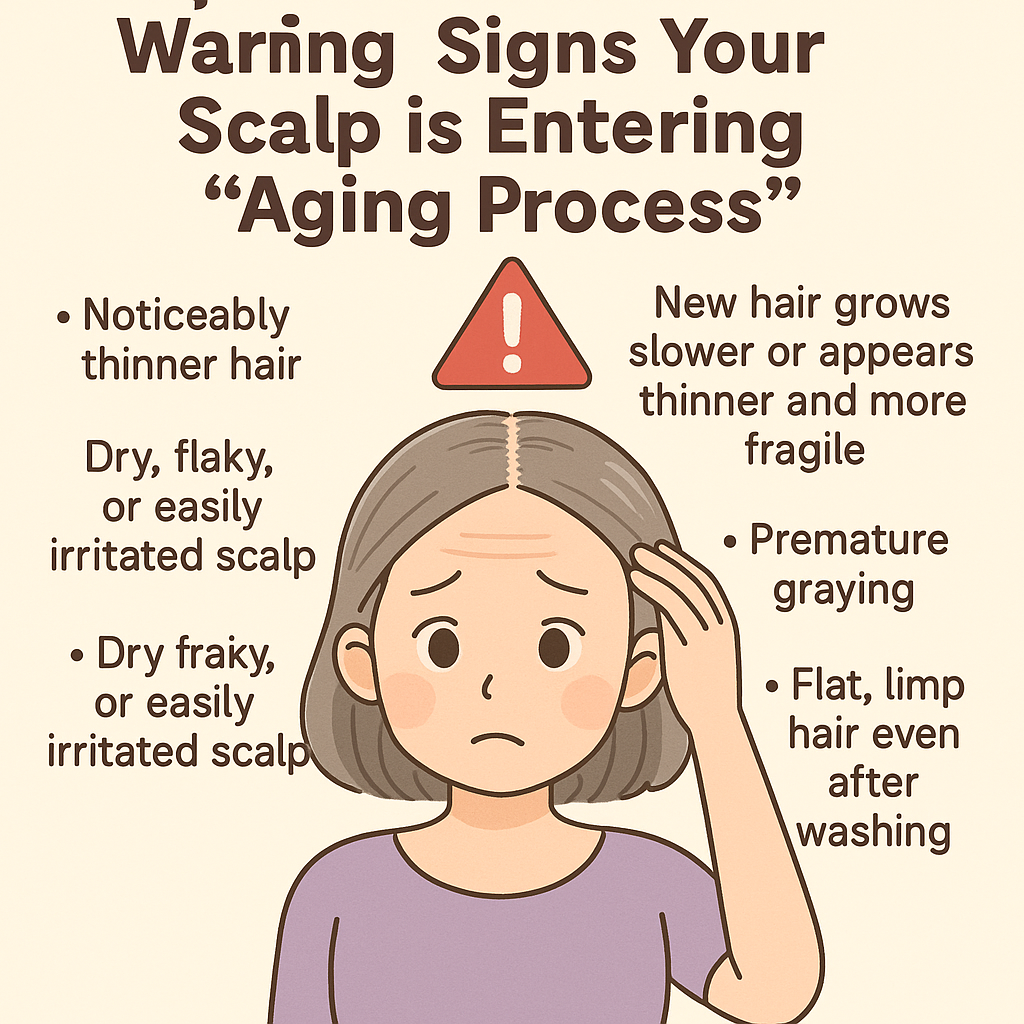
Warning Signs Your Scalp is Entering “Menopause”

– Noticeably thinner hair
– Dry, flaky, or easily irritated scalp
– New hair grows slower or appears thinner and more fragile
– Premature graying
– Flat, limp hair even after washing

What Causes Scalp Aging?

– Aging: Tissues around the hair follicles shrink, and the follicles themselves become smaller.
– Hormonal decline: Especially the drop in estrogen in women, leading to dry, less elastic scalp skin.
– Sunlight and pollution: Cause low-grade inflammation in the scalp and hair follicles. Free radicals damage scalp collagen.
– Improper hair care: Harsh shampoos, frequent dyeing, perming, or heat styling without proper nourishment.
– Nutrient deficiencies: Lack of essential vitamins (e.g., B vitamins, vitamin D), minerals, and amino acids important for hair health.

How to Rejuvenate the “Aging Scalp” and Restore Its Youthful Glow

– Use shampoos and conditioners designed for the scalp: Choose organic, natural formulas free from sulfates, silicones, synthetic fragrances, and harsh preservatives.
– Eat foods that nourish the hair: Include salmon, nuts, dark leafy greens, eggs, and whole grains.
– Reduce stress and get enough rest: Stress hormones directly affect the hair growth cycle.
– Exercise regularly: Promotes blood circulation, reduces stress, and helps regulate hormones.
– Consider supplements that support hair health: Especially B vitamins, vitamin D, zinc, and essential amino acids.
– Use natural remedies that promote blood circulation to hair roots: Such as blood-tonifying herbal products.
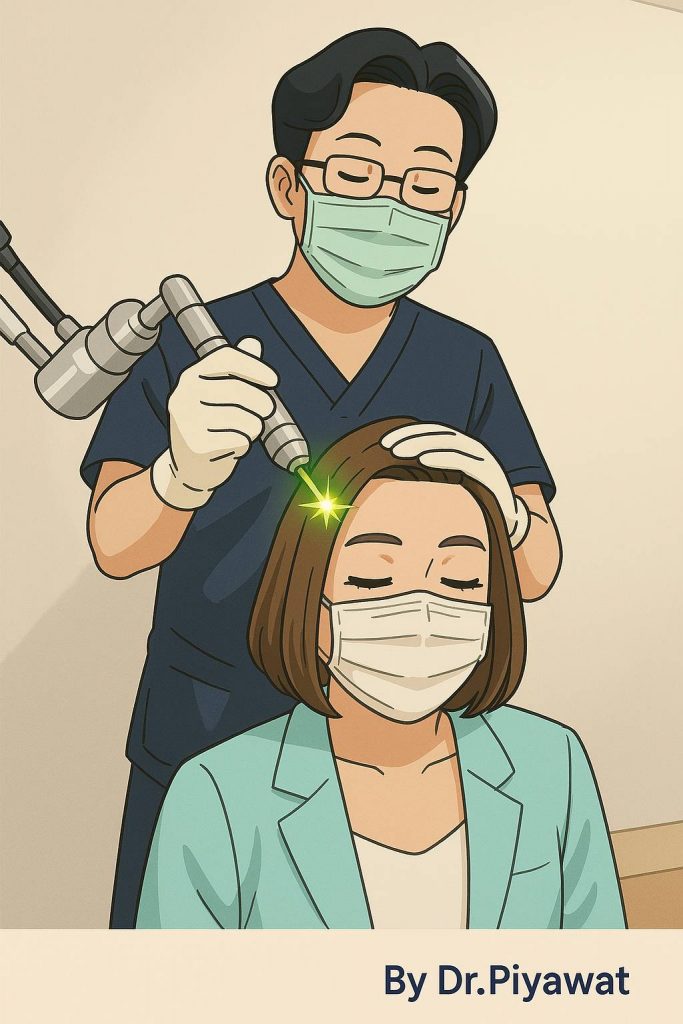
– Consult a hair and scalp specialist for proper diagnosis and treatment: With tools like microscopic scalp analysis and treatments such as Fractional Laser or Hair Mesotherapy.

Conclusion

Hair thinning and hair loss can affect anyone. Aging is a common contributor. By nurturing your body from within, avoiding harmful external factors, and starting early treatment, you can maintain beautiful, youthful hair for years to come.

Hair and Scalp Aging

Hair Aging: ผมร่วงผมบางจากการเสื่อมตามวัย

เปิดเบื้องหลัง ‘ความงามจากราก’ กับปรากฏการณ์ Hair Aging” และวิธีดูแลหนังศีรษะให้คงความอ่อนเยาว์

เมื่อ “หนังศีรษะ” เริ่มแก่… “เส้นผม” ก็เริ่มจากลา

เราคุ้นเคยกับการบำรุงผิวหน้าให้ดูอ่อนเยาว์ หลีกเลี่ยงริ้วรอยและความหย่อนคล้อย แต่คุณรู้หรือไม่ว่า “หนังศีรษะ” ก็เสื่อมสภาพไปตามวัยได้เช่นกัน และการเปลี่ยนแปลงเล็กๆ ที่มองไม่เห็นนี้ อาจเป็นต้นตอสำคัญที่ทำให้คุณเริ่มมีเส้นผมบางลง แห้ง หงอก หรือหลุดร่วงง่ายขึ้นเรื่อยๆ

Hair Aging: เส้นผมที่อ่อนแอ อาจไม่ใช่แค่กรรมพันธุ์

แม้พันธุกรรมจะมีส่วนกำหนดลักษณะเส้นผม แต่การเปลี่ยนแปลงที่มาจาก “สภาพแวดล้อมของรูขุมขน” มีผลมากกว่าที่คิด! เมื่อหนังศีรษะแก่ลง ไม่ว่าจะเพราะวัย มลภาวะ หรือฮอร์โมนที่เปลี่ยนไปหลังวัยหมดประจำเดือน รูขุมขนก็จะเริ่มอ่อนแรง ทำงานช้าลง ผลิตเส้นผมที่บางลง เส้นเล็กลง หรือวงจรการงอกของผมหยุดชะงัก

สัญญาณเตือน…หนังศีรษะกำลังเข้าสู่วัยทอง

  • เส้นผมเริ่มบางลง
  • หนังศีรษะแห้ง ลอก หรือไวต่อสิ่งกระตุ้น
  • เส้นผมขึ้นใหม่ช้าลง หรือขึ้นแบบเส้นเล็กๆ บางๆ
  • เริ่มมีอาการผมหงอกก่อนวัย
  • รู้สึกว่าผมลีบแบน ไม่มีวอลลุ่ม แม้สระแล้ว

หนังศีรษะแก่ เกิดจากอะไร?

  • อายุที่เพิ่มขึ้น: ทำให้เนื้อเยื่อรอบรูขุมขนฝ่อ ตัวรูขุมขนเล็กลง
  • ฮอร์โมนลดลง: โดยเฉพาะเอสโตรเจนในผู้หญิง ส่งผลให้หนังศีรษะแห้ง ขาดความยืดหยุ่น
  • แสงแดดและมลภาวะ: ทำให้เกิดการอักเสบเล็กๆที่หนังศีรษะและรูเส้นผม มีอนุมูลอิสระทำลายคอลลาเจนในหนังศีรษะ
  • การดูแลผมไม่เหมาะสม: เช่น การใช้แชมพูรุนแรง ดัด ย้อม รีดบ่อยๆ โดยไม่บำรุง
  • ขาดสารอาหาร: เช่น วิตามินบี, วิตามินD, แร่ธาตุและกรดอะมิโนที่จำเป็นต่อเส้นผม

ฟื้นฟู “หนังศีรษะวัยทอง” ให้กลับมาเปล่งปลั่งเหมือนวัยเยาว์

  • เลือกใช้แชมพูและครีมนวดที่ออกแบบมาสำหรับหนังศีรษะ
    เนื่องจากเป็นผลิตภัณฑ์ที่ต้องใช้เป็นประจำ จึงควรเลือกชนิดที่เป็นออร์แกนิกจากธรรมชาติ ปราศจากสารซัลเฟต ปราศจากสารซิลิโคน ปราศจากน้ำหอมสังเคราะห์ ปราศจากสารเตมีกันบูด ซึ่งมักก่อให้เกิดการระคายเคืองต่อรูรากผมและหนังศีรษะ
  • เลือกรับประทานอาหารที่ดีต่อเส้นผม
    เช่น ปลาแซลมอน, ถั่วเปลือกแข็ง, ผักใบเขียวเข้ม, ไข่ และธัญพืชเต็มเมล็ด
  • ลดความเครียดและพักผ่อนให้เพียงพอ
    เพราะฮอร์โมนความเครียดมีผลโดยตรงต่อวงจรเส้นผม
  • ออกกำลังกายอย่างสม่ำเสมอ

การออกกำลังกายช่วยให้เลือดไหลเวียนดี, ช่วยลดความเครียด และช่วยปรับสมดุลฮอร์โมน

  • เลือกรับประทานผลิภัณฑ์เสริมอาหารที่ช่วยบำรุงเส้นผม

เช่น วิตามินบี วิตามิมบี วิตามินดี สังกะสี และกรดอะมิโน

  • เลือกรับประทานผลิภัณฑ์จากธรรมชาติที่ช่วยเพิ่มการไหลเวียนเลือดสู่รากผม

เช่น กลุ่มยาบำรุงเลือด

  • ปรึกษาแพทย์ผู้เชี่ยวชาญเพื่อตรวจวิเคราะห์และรักษาอย่างเหมาะสม

เพื่อตรวจวิเคราะห์ด้วยกล้องไมโครสโครป และการรักษาที่เหมาะสม เช่นเลเซอร์(Fractional Laser), โมโสสำหรับเส้นผม (Hair Mesotherapy)


บทสรุป

ผมร่วงผมบางสามารถเกิดขึ้นได้กับทุกคน ความเสื่อมตามวัยเป็นสาเหตุหนึ่งที่พบได้บ่อย การดูแลรักษาสุขภาพจากภายใน การหลีกเสี่ยงสารอันตรายจากภาพนอก และการรีบดูแลรักษาให้เร็วที่สุดจะช่วยให้คุณมีผมสวยดูอ่อนเยาว์ตลอดไป

Mechanisms of Hair Stimulation Using Fractional Laser for Androgenetic Alopecia(TH)

กลไกการกระตุ้นเส้นผมด้วย Fractional Laser สำหรับ Androgenetic Alopecia

Androgenetic Alopecia (AGA) หรือภาวะผมบางจากพันธุกรรม เป็นปัญหาที่พบได้บ่อยทั้งในผู้ชายและผู้หญิง มีสาเหตุมาจากฮอร์โมนแอนโดรเจนและความไวของรากผมต่อ DHT (dihydrotestosterone) ซึ่งส่งผลให้วงจรการเจริญเติบโตของเส้นผมสั้นลง และรากผมหดเล็กลงเรื่อย ๆ จนเกิดอาการผมบางอย่างเห็นได้ชัด

ในช่วงหลังมานี้ เทคโนโลยีเลเซอร์ โดยเฉพาะ Fractional Laser ได้รับความสนใจเพิ่มขึ้นในฐานะทางเลือกในการรักษา AGA โดยไม่ใช้ยา เนื่องจากพบว่าเลเซอร์สามารถกระตุ้นให้รากผมที่อ่อนแอฟื้นตัว และกระตุ้นให้เกิดการงอกใหม่ของเส้นผมได้อย่างมีประสิทธิภาพ

Fractional Laser คืออะไร?

Fractional Laser คือเลเซอร์ที่ปล่อยพลังงานลงไปใต้ผิวหนังเป็นจุดเล็ก ๆ แบบเป็นตาข่าย (fractionated beam) โดยเว้นผิวหนังปกติไว้ระหว่างจุดที่ได้รับพลังงาน ซึ่งจะทำให้เกิดแผลเล็ก ๆ ในระดับไมโครบริเวณที่ยิงเลเซอร์ ส่งผลให้เกิดกระบวนการซ่อมแซมผิวหนังโดยธรรมชาติ และกระตุ้นกระบวนการฟื้นฟูในระดับเซลล์

ประเภทของ Fractional Laser

เลเซอร์ชนิด Fractional ที่ใช้ในการกระตุ้นเส้นผมมีหลายชนิด โดยแต่ละชนิดมีความรุนแรงและระดับประสิทธิภาพที่แตกต่างกัน เนื่องจากผู้ที่มีภาวะผมร่วง ผมบาง มักมีหนังศีรษะที่ไวต่อการกระตุ้น การเลือกใช้เลเซอร์ที่อ่อนโยนจึงเป็นสิ่งสำคัญ เพื่อป้องกันการระคายเคืองหรือผลข้างเคียงต่อหนังศีรษะ

กลไกที่ช่วยกระตุ้นเส้นผม

  1. การสร้าง Microthermal Zones (MTZs)
    Fractional Laser ทำให้เกิดบาดแผลขนาดเล็กระดับไมโครใต้ผิวหนัง หรือที่เรียกว่า Microthermal Zones ซึ่งกระตุ้นให้ร่างกายเข้าสู่กระบวนการซ่อมแซม (wound healing cascade) พร้อมปล่อยสารสื่อกลางต่าง ๆ เช่น growth factors และ cytokines ที่ช่วยกระตุ้นรากผมให้อยู่ในระยะเจริญเติบโต (anagen phase)
  2. กระตุ้นเซลล์ต้นกำเนิด (Stem Cells) รอบรากผม
    เลเซอร์สามารถกระตุ้นบริเวณ bulge area ซึ่งเป็นที่อยู่ของ stem cells ภายในรากผม ส่งผลให้เกิดการสร้างเซลล์ใหม่ที่สามารถผลิตเส้นผมใหม่ที่แข็งแรงและมีคุณภาพมากขึ้น
  3. เพิ่มการไหลเวียนเลือดในหนังศีรษะ
    ผลของการอักเสบเล็กน้อยที่เกิดจากเลเซอร์ช่วยขยายหลอดเลือดในหนังศีรษะ ทำให้รากผมได้รับออกซิเจนและสารอาหารมากขึ้น เสริมสร้างความแข็งแรงของเส้นผม และช่วยยืดอายุของผมในระยะเจริญเติบโต
  4. เพิ่มการดูดซึมยา และประสิทธิภาพของยาร่วมรักษา
    การทำเลเซอร์ก่อนทายาหรือทำเมโสเธอราปี (mesotherapy) ช่วยให้ตัวยาซึมเข้าสู่ผิวหนังได้ดีขึ้น ทำให้การรักษาโดยรวมมีประสิทธิภาพมากขึ้น ตัวยาที่ใช้ควรเลือกให้เหมาะสมกับสภาพหนังศีรษะ โดยเน้นสารสกัดจากธรรมชาติหรือ growth factors ที่ไม่ก่อให้เกิดการระคายเคือง

ใครเหมาะกับการรักษาด้วย Fractional Laser?

  • ผู้ที่มีผมบางจากพันธุกรรมทุกระยะ
    ไม่ว่าจะอยู่ในระยะเริ่มต้นหรือระยะลุกลาม การใช้ Fractional Laser สามารถช่วยฟื้นฟูรากผมและปรับสมดุลหนังศีรษะได้
  • ผู้ที่ต้องการหลีกเลี่ยงผลข้างเคียงจากยารับประทาน
    เช่น Finasteride, Dutasteride หรือ Minoxidil ที่อาจก่อให้เกิดผลข้างเคียง Fractional Laser เป็นทางเลือกที่ปลอดภัยและไม่รบกวนระบบฮอร์โมน
  • ผู้ที่มองหาวิธีการที่ปลอดภัยและไม่ต้องพักฟื้น
    Fractional Laser เป็นหัตถการที่ไม่ต้องผ่าตัด ไม่มีบาดแผลเปิด และสามารถใช้ชีวิตตามปกติได้ทันทีหลังทำ
  • ผู้ที่วางแผนปลูกผมหรือเพิ่งปลูกผม
    การทำเลเซอร์ช่วยเร่งการฟื้นตัวของรากผมใหม่ และเพิ่มอัตราการอยู่รอดของเส้นผมที่ปลูก

สรุป

Fractional Laser ไม่เพียงแต่ช่วยฟื้นฟูสภาพผิว แต่ยังเป็นนวัตกรรมที่สำคัญในการรักษาผมร่วงจากพันธุกรรม โดยกระตุ้นกระบวนการซ่อมแซมตามธรรมชาติของร่างกาย กระตุ้นเซลล์ต้นกำเนิด และเพิ่มการไหลเวียนเลือดในหนังศีรษะ ซึ่งล้วนแล้วแต่ส่งผลต่อการงอกใหม่ของเส้นผม

หากได้รับการดูแลอย่างต่อเนื่อง ร่วมกับการใช้ผลิตภัณฑ์ที่เหมาะสมและดูแลสุขภาพหนังศีรษะอย่างครบวงจร จะช่วยให้เส้นผมกลับมาแข็งแรง หนาขึ้น และลดการหลุดร่วงในระยะยาว

ข้อมูลทางคลินิกจากการติดตามผลการรักษาที่ Piyawat Clinic

ผลการติดตามการรักษาที่ Piyawat Clinic พบว่า:

  1. ผู้ที่ได้รับการรักษาด้วย Fractional Hair Laser ร่วมกับ Meso Hair มีปริมาณเส้นผมเพิ่มขึ้นอย่างมีนัยสำคัญทางสถิติ เมื่อเทียบกับผู้ที่ได้รับการรักษาด้วย Meso Hair เพียงอย่างเดียว
  2. ผู้ที่ได้รับการรักษาด้วย Fractional Hair Laser ร่วมกับ Meso Hair มีการงอกของเส้นผมใหม่ในบริเวณที่ไม่มีรูขุมขนเดิม (ช่องว่างระหว่างรูขุมขน) มากกว่ากลุ่มที่ทำ Meso Hair เพียงอย่างเดียว อย่างมีนัยสำคัญทางสถิติ

Mechanisms of Hair Stimulation Using Fractional Laser for Androgenetic Alopecia

Androgenetic alopecia (AGA) is a common condition that causes hair thinning in both men and women. It is primarily driven by androgen hormones and the sensitivity of hair follicles to dihydrotestosterone (DHT), which shortens the hair growth cycle and leads to gradual miniaturization of hair follicles, resulting in visibly thinner hair.

In recent years, laser technology, particularly fractional lasers, has gained popularity as a non-pharmaceutical treatment option for AGA. Studies have shown that laser stimulation can effectively rejuvenate dormant hair follicles and promote new hair growth.

What Is a Fractional Laser?

Fractional lasers emit energy in a fractionated pattern—tiny beams that penetrate the deeper layers of the skin while leaving surrounding tissue intact. This creates microscopic wounds (microthermal zones), which trigger a natural healing response that encourages tissue repair and regeneration.

Types of Fractional Lasers

There are several types of fractional lasers used for hair stimulation, each varying in intensity and effectiveness. Since individuals with hair thinning often have sensitive scalps, it is important to choose a gentle laser system to avoid unnecessary irritation.

Mechanisms That Promote Hair Growth

  1. Microthermal Zones (MTZs):
    Fractional laser beams create microscopic thermal injury zones in the scalp. These trigger a wound-healing cascade that releases various signaling molecules such as growth factors and cytokines, which help reactivate weakened hair follicles and return them to the anagen (growth) phase.
  2. Stimulation of Stem Cells Around Hair Follicles:
    Fractional lasers stimulate the bulge area of the follicle, where hair follicle stem cells reside. This promotes the repair of miniaturized follicles and the formation of new, healthy hair strands.
  3. Increased Scalp Blood Circulation:
    Mild inflammation caused by the laser leads to vasodilation and increased blood flow to the scalp. This enhances the delivery of oxygen and nutrients to the hair roots, strengthening the hair and extending the anagen phase.
  4. Improved Absorption and Efficacy of Topical Treatments:
    Fractional laser treatment increases scalp permeability, improving the absorption of topical products or mesotherapy solutions. This synergy enhances overall treatment effectiveness. For best results, gentle, non-irritating formulations—such as natural extracts and growth factors—are recommended.

Who Is Fractional Laser Treatment Suitable For?

  • Anyone with Genetic Hair Thinning:
    Whether in early or advanced stages, fractional lasers can help restore hair follicle function and improve scalp health.
  • Individuals Avoiding Side Effects from Oral Medications:
    For those concerned about side effects from medications like finasteride, dutasteride, or minoxidil, fractional laser is a safe and effective alternative.
  • People Looking for a Safe, Low-Downtime Option:
    As a non-surgical procedure, fractional laser treatment requires minimal recovery time and allows patients to return to their daily routines quickly.
  • Post–Hair Transplant Patients or Those Planning Hair Transplants:
    Laser therapy can be used before or after a transplant to support recovery and improve the growth and survival of transplanted follicles.

Summary

Fractional lasers are not only effective for skin rejuvenation but also play a key role in hair restoration for AGA patients. They activate biological repair mechanisms, stimulate stem cells, and improve scalp blood flow—all contributing to enhanced hair growth.

Ongoing laser treatment, in combination with a holistic care regimen and appropriate therapeutic agents, can significantly improve hair density, strength, and retention.

Clinical Observations from Piyawat Clinic

Clinical tracking at Piyawat Clinic has revealed important findings regarding the effectiveness of fractional hair laser therapy:

  1. Patients treated with fractional hair laser combined with Meso Hair showed significantly greater hair growth compared to those who received mesotherapy alone, with statistically significant results.
  2. New hair was observed growing from previously empty follicular areas (inter-follicular spaces) in patients treated with fractional hair laser + Meso Hair, more prominently than in those treated with mesotherapy alone—again, with statistical significance.


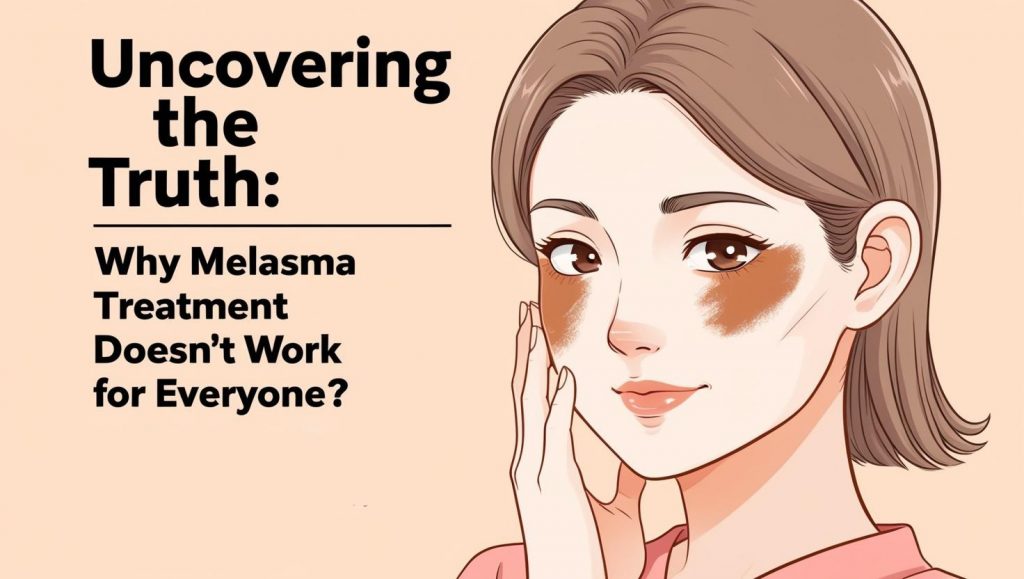
The Truth Revealed: Why Melasma Treatment Doesn’t Work for Everyone?

เปิดเผยความจริง: ทำไมการรักษาฝ้าถึงไม่ได้ผลสำหรับทุกคน?

ฝ้าจางลงได้ แต่ยังไม่มีวิธีไหนที่การันตีว่าฝ้าจะหายไปทั้งหมด

หลายคนพยายามรักษาฝ้าแต่กลับพบว่า ฝ้าจางลงช่วงหนึ่งแล้วกลับมาเข้มขึ้นอีก ไม่ว่าจะใช้ครีมราคาแพง เลเซอร์เทคโนโลยีสูง หรืออาหารเสริมก็ยังไม่สามารถกำจัดฝ้าให้หายไปได้อย่างถาวร

ปัจจุบันยังไม่มีวิธีการรักษาฝ้าที่สามารถรับประกันได้ว่าจะทำให้ฝ้าหายไปทั้งหมด แต่สามารถทำให้ฝ้าจางลงได้อย่างมีประสิทธิภาพ และป้องกันไม่ให้กลับมาเข้มขึ้น หากดูแลผิวอย่างต่อเนื่องและเลือกวิธีที่เหมาะสม

มาดูกันว่า ทำไมบางคนรักษาฝ้าได้ผลดี แต่บางคนไม่ได้ผล? และต้องทำอย่างไรให้ฝ้าจางลงและไม่กลับมาอีก?

1. ดูแลผิวอย่างต่อเนื่อง ป้องกันฝ้ากลับมา

ฝ้าไม่สามารถหายขาดได้ในครั้งเดียว การดูแลผิวอย่างสม่ำเสมอเป็นสิ่งสำคัญที่สุด!

✔️ เลือกใช้ไวท์เทนนิ่งครีมที่มีส่วนผสมในการฟื้นฟูผิว ที่ช่วยให้เม็ดสีจางลงพร้อมกับเสริมความแข็งแรงของผิว
✔️ ครีมกันแดดเป็นหัวใจสำคัญ เพราะรังสี UV เป็นตัวกระตุ้นให้ฝ้ากลับมาเข้มขึ้น
✔️ เลือกผลิตภัณฑ์จากธรรมชาติ เพื่อความปลอดภัย โดยเฉพาะสำหรับคุณแม่ที่มีลูกเล็ก ครีมบางชนิดอาจมีสารเคมีตกค้างที่สามารถสัมผัสลูกได้

หากปล่อยปะละเลย ฝ้าจะกลับมาเข้มขึ้นเสมอ แม้จะรักษาจนจางแล้วก็ตาม

2. เลเซอร์ที่เหมาะสมและผ่านการรับรอง USFDA ช่วยให้ฝ้าจางลงเร็วขึ้น

การใช้เลเซอร์เป็นวิธีที่ช่วยให้ฝ้าจางลงได้เร็วขึ้น แต่ไม่ใช่ทุกเครื่องเลเซอร์จะมีประสิทธิภาพในการรักษาฝ้า ควรเลือกเลเซอร์ที่มีเทคโนโลยีที่เหมาะสมและผ่านการรับรองจาก USFDA (องค์การอาหารและยาของสหรัฐอเมริกา) เพื่อให้มั่นใจในความปลอดภัยและผลลัพธ์ที่มีประสิทธิภาพ

✔️ เลเซอร์รุ่นใหม่ที่มี Toning Mode ไม่เพียงช่วยลดเม็ดสี แต่ยังช่วยกระตุ้นคอลลาเจน ทำให้ผิวเรียบเนียนและกระจ่างใส
✔️ ลดรอยดำและช่วยให้สีผิวสม่ำเสมอ
✔️ เครื่องที่ผ่านการรับรอง USFDA ลดความเสี่ยงของผลข้างเคียง เช่น ผิวไหม้ หรือเกิดรอยดำหลังทำ

อย่าเลือกเลเซอร์ที่ราคาถูกเกินไปหรือเครื่องที่ไม่ได้มาตรฐาน เพราะอาจทำให้ฝ้าหนักขึ้นแทนที่จะดีขึ้น

3. ความชำนาญของแพทย์ มีผลต่อการรักษาฝ้า

เลเซอร์รักษาฝ้าไม่ใช่แค่เรื่องของเครื่องมือ แต่เป็นเรื่องของ “ฝีมือแพทย์” ด้วย!

✔️ แพทย์ที่มีประสบการณ์จะรู้ว่าต้องใช้พลังงานเลเซอร์เท่าไร เพื่อให้ฝ้าจางลงโดยไม่ทำให้ผิวไหม้
✔️ การวิเคราะห์สภาพผิวของแพทย์ มีผลต่อการเลือกวิธีรักษา
✔️ แพทย์ที่มีความเชี่ยวชาญสามารถช่วยลดผลข้างเคียงได้

ดังนั้น ก่อนเข้ารับการรักษา ควรเลือกคลินิกที่มีแพทย์เฉพาะทางด้านผิวหนัง และมีประสบการณ์ในการรักษาฝ้า

4. อายุเกิน 30 ปี? ต้องบำรุงจากภายในเพื่อให้ผิวแข็งแรงและลดการเกิดฝ้า

เมื่ออายุเพิ่มขึ้น กระบวนการฟื้นฟูผิวจะช้าลง และความสามารถในการป้องกันเม็ดสีผิดปกติของผิวจะลดลง ทำให้ฝ้ามีแนวโน้มเกิดขึ้นง่ายขึ้น ดังนั้น การดูแลจากภายในเป็นสิ่งสำคัญที่ไม่ควรมองข้าม

✔️ การกินคอลลาเจนที่ผสมสารธรรมชาติเพื่อบำรุงผิว ช่วยให้ผิวแข็งแรงและลดการเกิดฝ้าได้
✔️ เลือกรับประทานอาหารเสริมจากธรรมชาติ เช่น Blood Tonic ซึ่งอุดมไปด้วยสมุนไพรและสารอาหารที่ช่วยปรับสมดุลร่างกาย บำรุงเลือด และส่งเสริมสุขภาพผิว
✔️ ทานอาหารที่อุดมไปด้วยวิตามินซีและสารต้านอนุมูลอิสระ เช่น ผลไม้ตระกูลเบอร์รี่ มะเขือเทศ และชาเขียว

5. ผลข้างเคียงจากเลเซอร์? ส่วนใหญ่ไม่รุนแรงและแก้ไขได้

✔️ หน้าแห้งเล็กน้อยหลังทำเลเซอร์ (สามารถแก้ไขได้ด้วยมอยส์เจอไรเซอร์)
✔️ หากต้องใช้พลังงานสูงในบางจุด อาจมีรอยดำหลังเม็ดสีลอกหลุด
✔️ หากมีปัญหาเกิดขึ้น ควรรีบปรึกษาแพทย์ที่ทำการรักษา

สรุป: วิธีรักษาฝ้าให้ได้ผลและไม่กลับมาอีก

รักษาฝ้าอย่างต่อเนื่อง ใช้ไวท์เทนนิ่งและกันแดดทุกวัน
ใช้เลเซอร์ที่เหมาะสมและต้องผ่านการรับรอง USFDA
รักษากับแพทย์ผู้เชี่ยวชาญเพื่อป้องกันผลข้างเคียง
ดูแลผิวทั้งจากภายนอกและภายใน
เลือกผลิตภัณฑ์จากธรรมชาติเพื่อความปลอดภัย

ฝ้าจางลงได้! ถ้ารักษาให้ถูกวิธีและดูแลตัวเองอย่างต่อเนื่อง
หากคุณต้องการคำแนะนำเพิ่มเติมเกี่ยวกับการรักษาฝ้าแบบถูกต้อง ปรึกษาผู้เชี่ยวชาญเพื่อให้ได้แนวทางที่เหมาะสมกับคุณที่สุด!