
Posted on

头发和头皮的基础知识 Basic Knowledge About Hair and Scalp

头发和头皮是人体的重要组成部分,不仅影响外观,还能反映整体健康状况。了解头发和头皮的基本知识,有助于正确护理头发,预防脱发、头皮出油、头皮屑等常见问题。

头发的结构

发干(Hair Shaft)

头发主要由**角蛋白(Keratin)**组成,这是一种与指甲和皮肤相同的蛋白质。每根头发主要由三层结构组成:

  1. 毛小皮(Cuticle) – 头发的最外层,由重叠的角质鳞片组成,保护内部结构免受紫外线、热损伤和化学物质的影响。如果毛小皮受损或张开,头发会变得干燥、毛躁和粗糙。
  • 毛皮质(Cortex) – 头发的中层,由紧密排列的蛋白纤维组成,提供强度和弹性,并含有黑色素(Melanin),决定头发的颜色。
  • 毛髓质(Medulla) – 头发的最内层,由蛋白质和脂肪构成的小管状结构组成,通常出现在粗壮或健康的头发中。

发根(Hair Root)

发根位于头皮下方,负责生成和替换脱落的头发。发根的主要组成部分包括:

  1. 毛囊(Hair Follicle) – 深入真皮层的小孔,内部包含促进头发生长的关键结构。
  2. 毛球(Hair Bulb) – 发根底部的圆形结构,包含基质细胞(Matrix Cells),这些细胞会不断分裂并成长为新的发丝。

头发生长周期

头发从头皮中的毛囊生长,并由血管和皮脂腺提供营养支持。头发生长周期主要分为三个阶段:

  1. 生长期(Anagen Phase) – 头发持续生长,持续时间为 2-7 年。
  2. 退行期(Catagen Phase) – 头发停止生长并与血液供应分离,持续时间约 2-3 周。
  3. 休止期(Telogen Phase) – 旧发脱落,新发开始生长,持续时间约 2-4 个月。

头皮与皮脂腺功能

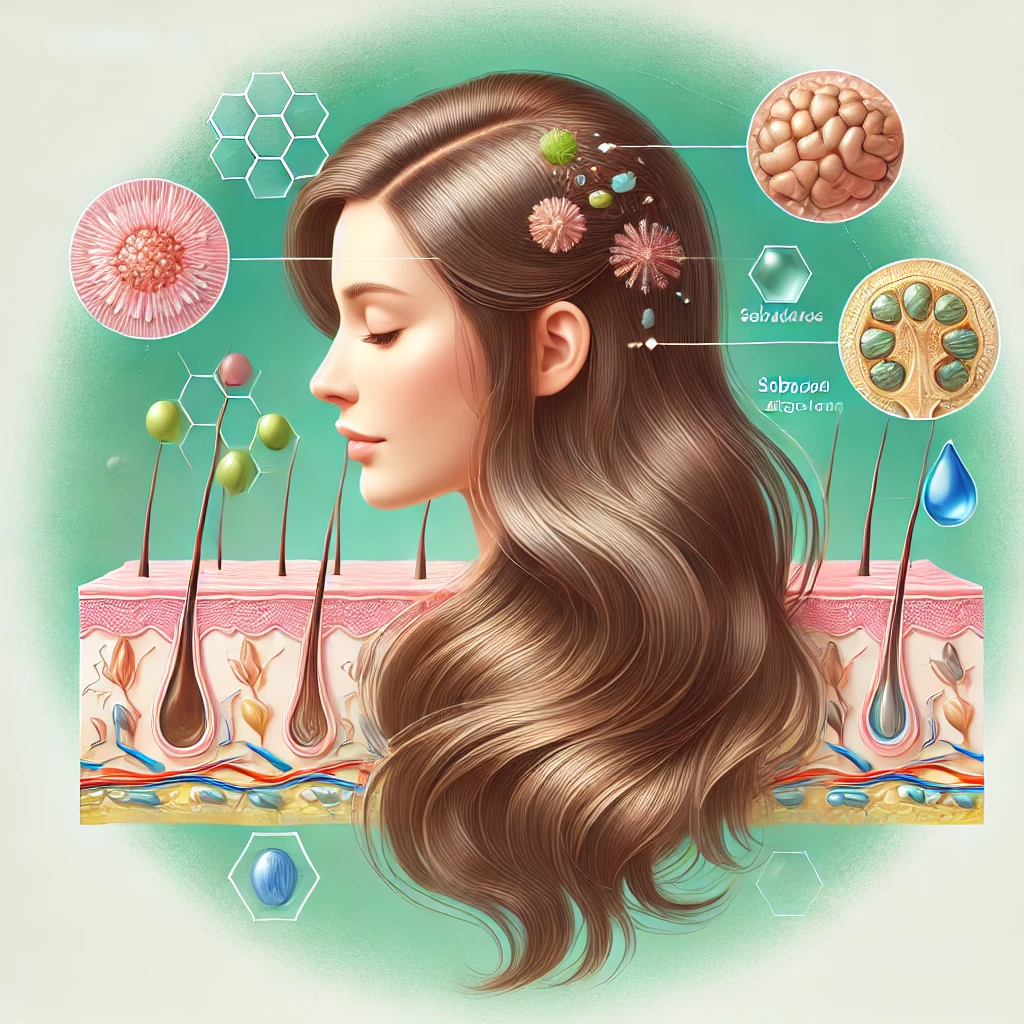
头皮含有皮脂腺(Sebaceous Gland),可分泌天然油脂,帮助维持头发的水分平衡。如果皮脂腺功能异常,可能导致以下问题:

  1. 头皮过油 – 可能引起头皮屑、头发扁塌,甚至导致头皮长痘。
  2. 头皮过干 – 可能导致瘙痒、脱屑或干性头皮屑。
  3. 头皮炎症 – 可能由真菌感染、过敏反应或使用不适合的产品引起。

影响头发和头皮健康的因素

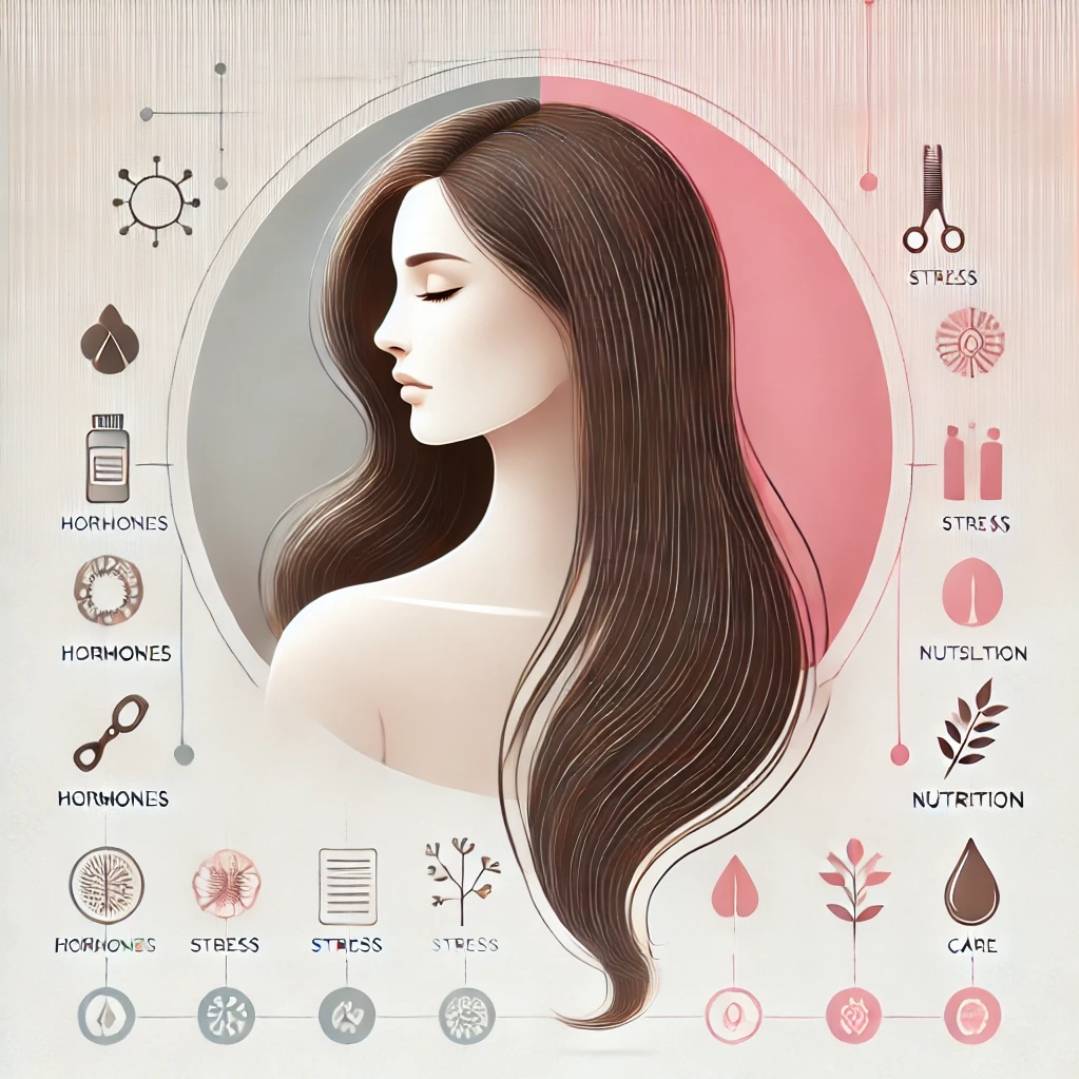
头发和头皮的健康受多种因素影响,包括:

  1. 营养 – 缺乏铁、蛋白质、生物素(Biotin)和Omega-3 脂肪酸可能导致脱发和头发干枯。
  2. 激素 – **雄激素(Androgen)**可能导致遗传性脱发,**雌激素(Estrogen)**水平下降(如更年期)也可能影响头发密度。
  3. 压力和疾病 – 可能导致头发提前进入脱落期。
  4. 化学物质和热损伤 – 频繁染发、烫发、拉直或使用高温造型工具可能导致头发受损、脆弱易断。
  5. 清洁方式 – 过度洗发或使用不适合的洗发产品可能破坏头皮平衡。

正确的头发和头皮护理方法

要保持头发和头皮的健康,可以遵循以下护理方法:

  1. 选择适合的洗发水和护发素 – 头皮敏感者应选择无硫酸盐(Sulfate-Free)、无香精(Fragrance-Free)、无化学防腐剂的产品。
  2. 合理洗发 – 根据头皮状况和日常活动调整洗发频率,例如,如果经常出汗或接触灰尘,可以每天洗发。
  3. 避免频繁使用化学产品 – 如果需要染发或使用化学护理产品,建议选择天然护发产品,减少刺激。
  4. 保持健康饮食 – 摄取充足的蛋白质、维生素和矿物质,有助于头发健康生长。
  5. 关注整体健康 – 适量运动、充足睡眠和良好的压力管理有助于维持健康的头皮环境。

总结

头发和头皮的健康不仅关系到外观,还影响整体生活质量。了解头发的结构、生长周期及影响因素,有助于选择合适的护理方式,确保头发强韧、光泽、无烦恼。

如果你正经历严重脱发、头发稀疏或头皮异常问题,建议咨询专业人士,获取针对性的护理建议和治疗方案。

Posted on

Basic Knowledge to Care Hair and Scalp /En

Hair and scalp are essential parts of the body that not only contribute to appearance but also reflect overall health. Understanding the basics of hair and scalp care can help maintain healthy hair, prevent hair loss, oily scalp, dandruff, and other common issues.

Structure of Hair
Hair Shaft

Hair is composed of keratin, a type of protein also found in nails and skin. Each hair strand consists of three main layers:

  1. Cuticle – The outermost layer, composed of overlapping scales that protect the inner hair structure from environmental damage such as sun exposure, heat, and chemicals. When these scales are lifted, hair appears rough, dry, and frizzy.
  2. Cortex – The middle layer, containing tightly packed protein fibers that provide strength and flexibility. It also houses melanin, which determines hair color.
  3. Medulla – The innermost layer, consisting of small hollow structures made of protein and fat. It is typically found in thick or healthy hair strands.

Hair Root

The hair root is the part located beneath the scalp, responsible for generating and producing new hair to replace shed strands. The root consists of two main components:

  1. Hair Follicle – A small pocket embedded deep in the dermis, housing structures essential for hair growth.
  2. Hair Bulb – A rounded structure at the base of the follicle containing matrix cells, which divide and grow to form new hair strands.
Hair Growth Cycle

Hair grows from the follicle embedded in the scalp, supported by blood vessels and sebaceous glands. The hair growth cycle consists of three main phases:

  1. Anagen Phase (Growth Phase) – The active growth stage, lasting 2-7 years.
  2. Catagen Phase (Transition Phase) – A short period (about 2-3 weeks) where hair stops growing and detaches from its blood supply.
  3. Telogen Phase (Resting Phase) – Lasting 2-4 months, this is when old hair sheds and new hair starts to grow in its place.
Scalp and Sebaceous Gland Function

The scalp contains sebaceous glands, which produce natural oils to keep hair moisturized. If these glands malfunction, it can lead to various scalp issues, such as:

  • Oily Scalp – Can cause dandruff, limp hair, and even scalp acne.
  • Dry Scalp – Leads to itchiness, flaking, and dry dandruff.
  • Inflamed Scalp – May result from fungal infections, allergies, or unsuitable hair products.
Factors Affecting Hair and Scalp Health

Several factors influence the health of hair and scalp, including:

  1. Nutrition – Deficiencies in iron, protein, biotin, and omega-3 can cause hair loss and dryness.
  2. Hormones – Androgen hormones (e.g., testosterone) contribute to genetic hair loss, while estrogen decline (e.g., menopause) can also affect hair density.
  3. Stress and Illness – Can push hair into the shedding phase prematurely.
  4. Chemical and Heat Exposure – Frequent hair coloring, perming, straightening, and high-heat styling can weaken and damage hair.
  5. Hair Washing Routine – Overwashing or using inappropriate shampoos can disrupt scalp balance.
Proper Hair and Scalp Care

To maintain a healthy scalp and strong hair, follow these guidelines:

  1. Choose the Right Shampoo and Conditioner – Those with sensitive scalps should opt for sulfate-free, fragrance-free, and chemical preservative-free formulas.
  2. Wash Hair Properly – Adjust frequency based on scalp condition and daily activities (e.g., wash daily if exposed to sweat and pollution).
  3. Avoid Excessive Chemical Treatments – If necessary, use natural-based products to reduce irritation.
  4. Eat a Nutrient-Rich Diet – Consume protein, vitamins, and minerals that promote hair health.
  5. Maintain Overall Health – Exercise regularly, get enough rest, and manage stress effectively.
Conclusion

Hair and scalp health is essential for both appearance and overall well-being. Understanding the structure, growth cycle, and key influencing factors allows for better hair care choices. By maintaining proper scalp hygiene, using suitable products, and following a balanced lifestyle, you can achieve strong, shiny, and problem-free hair.


If you experience excessive hair loss, thinning, or scalp abnormalities, consulting a specialist can help determine the best treatment options.

Posted on

Basic Knowledge to Care Hair and Scalp


เส้นผมและหนังศีรษะเป็นองค์ประกอบสำคัญของร่างกายที่ไม่เพียงแต่มีบทบาทด้านความสวยงาม แต่ยังสะท้อนถึงสุขภาพโดยรวมของเราได้ด้วย การทำความเข้าใจพื้นฐานเกี่ยวกับเส้นผมและหนังศีรษะจะช่วยให้เราดูแลเส้นผมได้อย่างเหมาะสม ลดปัญหาผมร่วง หนังศีรษะมัน หรือรังแคที่อาจเกิดขึ้นได้

โครงสร้างของเส้นผม

เส้นผม(Hair shaft)

ประกอบไปด้วย เคราติน (Keratin) ซึ่งเป็นโปรตีนชนิดเดียวกับที่พบในเล็บและผิวหนัง เส้นผมแต่ละเส้นมีโครงสร้างหลัก 3 ชั้น ได้แก่

  1. คิวติเคิล (Cuticle) – ชั้นนอกสุดของเส้นผม มีลักษณะเป็นเกล็ดซ้อนกัน ทำหน้าที่ปกป้องเนื้อในของเส้นผมจากความเสียหายจากสิ่งแวดล้อมภายนอก เช่น แสงแดด ความร้อน และสารเคมี โดยชั้นผิวนอกจะประกอบด้วยเกล็ดเล็ก ๆ ซ้อนทับกันเป็นแถวตามแนวยาวของเส้นผม หากเกล็ดเหล่านี้เปิดออกจะทำให้เส้นผมดูแห้งกร้าน ไม่เรียบลื่น
  2. คอร์เทกซ์ (Cortex) – ชั้นกลาง ประกอบด้วยเส้นใยโปรตีนเรียงตัวกันแบบอัดแน่น ทำหน้าที่ให้ความแข็งแรงและความยืดหยุ่นแก่เส้นผม และมีเม็ดสีเมลานินที่กำหนดสีของเส้นผม
  3. เมดุลลา (Medulla) – ชั้นในสุด  เป็นชั้นในสุดของเส้นผม มีลักษณะคล้ายท่อขนาดเล็กเรียงตัวกัน 3-4 ชั้น ซึ่งเกิดจากโปรตีนและไขมัน ส่วนมากจะพบในผมเส้นใหญ่ หรือผู้ที่มีสภาพผมแข็งแรง

รากผม(Hair root)

รากผม คือส่วนที่อยู่ใต้ผิวหนังศีรษะ ทำหน้าที่สร้างและผลิตเส้นผมใหม่ขึ้นมาแทนที่เส้นเก่าที่หลุดร่วงไป โดยโครงสร้างของรากผมจะประกอบด้วย 2 ส่วนหลัก ๆ ดังนี้

  1. ต่อมรากผม (Hair Follicle) เป็นช่องเล็ก ๆ ที่ลึกลงไปในชั้นหนังแท้ของศีรษะ ภายในต่อมจะประกอบด้วยส่วนต่าง ๆ ที่เกี่ยวข้องกับการสร้างเส้นผม
  2. กระเปาะผม (Hair Bulb) เป็นส่วนปลายของรากผมที่มีลักษณะเป็นก้อนกลมนูน ประกอบด้วยเมทริกซ์เซลล์ (Matrix Cells) ซึ่งเป็นเซลล์ต้นกำเนิดที่จะแบ่งตัวและเจริญเติบโตกลายเป็นเส้นผม

รากผมและวงจรชีวิตของเส้นผม

เส้นผมเจริญเติบโตจากรากผม (Hair Follicle) ที่ฝังอยู่ในหนังศีรษะ มีเส้นเลือดและต่อมไขมันคอยหล่อเลี้ยง วงจรชีวิตของเส้นผมแบ่งเป็น 3 ระยะหลัก ได้แก่

  1. ระยะเจริญเติบโต (Anagen Phase) – ช่วงที่เส้นผมงอกยาวอย่างต่อเนื่อง ใช้เวลานาน 2-7 ปี
  2. ระยะหยุดเจริญเติบโต (Catagen Phase) – ระยะเปลี่ยนผ่านที่เส้นผมหยุดการเจริญเติบโต กินเวลาประมาณ 2-3 สัปดาห์
  3. ระยะหลุดร่วง (Telogen Phase) – ช่วงที่เส้นผมเก่าหลุดออก และมีเส้นผมใหม่ขึ้นมาแทนที่ ใช้เวลาประมาณ 2-4 เดือน

หนังศีรษะและการทำงานของต่อมไขมัน

หนังศีรษะมีต่อมไขมัน (Sebaceous Gland) ทำหน้าที่ผลิตน้ำมันธรรมชาติที่ช่วยรักษาความชุ่มชื้นของเส้นผม หากต่อมไขมันทำงานผิดปกติอาจส่งผลให้หนังศีรษะมีปัญหา เช่น

  • หนังศีรษะมันเกินไป – อาจทำให้เกิดรังแค ผมลีบแบน และมีความเสี่ยงต่อการเกิดสิวที่หนังศีรษะ
  • หนังศีรษะแห้งเกินไป – ทำให้เกิดอาการคัน ลอกเป็นขุย หรือมีรังแคแห้ง
  • หนังศีรษะอักเสบ – อาจเกิดจากเชื้อรา ภูมิแพ้ หรือการใช้ผลิตภัณฑ์ที่ไม่เหมาะสม

ปัจจัยที่มีผลต่อสุขภาพเส้นผมและหนังศีรษะ

สุขภาพของเส้นผมและหนังศีรษะได้รับอิทธิพลจากหลายปัจจัย ได้แก่

  • โภชนาการ – การขาดสารอาหาร เช่น ธาตุเหล็ก โปรตีน ไบโอติน และโอเมก้า-3 อาจทำให้ผมร่วงหรือผมแห้งเสีย
  • ฮอร์โมน – ฮอร์โมนแอนโดรเจน (Androgen) มีผลต่อการหลุดร่วงของเส้นผม โดยเฉพาะในผู้ที่มีภาวะศีรษะล้านแบบพันธุกรรม, ฮอร์โมนเอสโตรเจน( Estrogen)ลดลง เช่น ภาวะวัยทอง
  • ความเครียด และการเจ็บป่วย– ส่งผลให้เส้นผมเข้าสู่ระยะหลุดร่วงเร็วกว่าปกติ
  • การใช้สารเคมีและความร้อน – การทำสี ดัด ยืด หรือใช้ความร้อนสูงบ่อย ๆ อาจทำให้เส้นผมแห้งเสียและเปราะขาด
  • การทำความสะอาด – การสระผมบ่อยเกินไปหรือใช้แชมพูที่ไม่เหมาะสมอาจทำให้หนังศีรษะเสียสมดุล

การดูแลเส้นผมและหนังศีรษะอย่างถูกต้อง

เพื่อสุขภาพเส้นผมและหนังศีรษะที่ดี ควรปฏิบัติตามแนวทางดังนี้

  1. เลือกแชมพูและครีมนวดที่เหมาะสม – สำหรับผู้ที่มีปัญหาเส้นผมและหนังศีรษะ ควรเลือกแชมพูที่ปราศจากสารที่ก่อการระคายเคือง เช่น ปราศจากสารซัลเฟต(Sulfate-free), ปราศจากน้ำหอมสังเคราะห์(Synthetic perfume-free) ปราศจากสารกันเสียชนิดเคมี
  2. สระผมอย่างเหมาะสม – ตามสภาพของหนังศีรษะและกิจวัตรประจำวัน เช่น เหงื่อออกหรือถูกฝุ่นมากควรสระผมทุกวัน
  3. หลีกเลี่ยงการใช้สารเคมีบ่อยเกินไป – หากจำเป็นต้องทำสีผมหรือใช้สารเคมี ควรใช้ผลิตภัณฑ์จากธรรมชาติที่ช่วยลดการระคายเคือง
  4. รับประทานอาหารที่มีประโยชน์ – ควรบริโภคอาหารที่มีโปรตีน วิตามิน และแร่ธาตุที่ช่วยบำรุงเส้นผม
  5. ดูแลสุขภาพโดยรวม – ออกกำลังกาย พักผ่อนให้เพียงพอ และจัดการความเครียด

สรุป

เส้นผมและหนังศีรษะเป็นส่วนสำคัญที่ควรได้รับการดูแลอย่างเหมาะสม การเข้าใจโครงสร้างและวงจรชีวิตของเส้นผม รวมถึงปัจจัยที่มีผลต่อสุขภาพหนังศีรษะ จะช่วยให้สามารถเลือกวิธีดูแลได้อย่างถูกต้อง เพื่อให้เส้นผมแข็งแรง เงางาม และปราศจากปัญหาที่อาจเกิดขึ้น

หากคุณมีปัญหาผมร่วง ผมบาง หรือหนังศีรษะผิดปกติ ควรปรึกษาผู้เชี่ยวชาญเพื่อรับคำแนะนำและการรักษาที่เหมาะสม

Posted on

A New Hope for Rosacea Sufferers: The Power of Botulinum Toxin

ภาษาไทย Article by DR. Piyawat POOMSUWAN

Rosacea is a chronic skin condition that causes redness, swelling, and visible blood vessels on the face, significantly impacting patients’ confidence and quality of life.

While there are various treatment options available, the use of Botulinum Toxin (Botox) has emerged as a promising and effective solution for alleviating rosacea symptoms.

Findings from Research on Botulinum Toxin

  • A systematic review on the use of botulinum toxin for rosacea demonstrated its effectiveness in reducing redness, inflammation, and dilated blood vessels associated with the condition.
  • Patients who received the treatment reported noticeable improvements in both symptoms and overall skin appearance.


Treatment and Safety

  • Botulinum toxin treatment is highly safe.
  • Side effects are mild and temporary, such as slight swelling or bruising at the injection site, which typically resolve quickly.
  • The therapeutic effects of botulinum toxin can last for up to 3 months, making it a long-lasting option for managing rosacea.


Benefits of Botulinum Toxin for Rosacea

  • Reduction of Redness and Inflammation: Restores the skin’s normal appearance by addressing vascular issues.
  • High Safety Profile: Minimal and self-limiting side effects.
  • Long-Lasting Results: Improvements can persist for up to 3 months post-treatment.


Precautions

While botulinum toxin has shown great promise, it is crucial to consult a medical professional to determine the suitability of the treatment for each individual and ensure it is administered safely.


Conclusion:

  • Botulinum toxin is an effective and innovative treatment for rosacea, offering significant improvements in symptoms such as redness, inflammation, and dilated blood vessels.
  • It not only enhances skin appearance but also boosts patients’ confidence and overall quality of life.
  • Since this is not general Botox injection, highly recommended to consult a specialized and experienced physician.
Posted on

A New Hope for Rosacea Sufferers: The Power of Botulinum Toxin

English

บทความโดย นพ.ปิยะวัฒน์ ภูมิสุวรรณ

โรซาเซีย (Rosacea) เป็นโรคผิวหนังเรื้อรังที่ทำให้เกิดอาการแดง ผิวบวม และหลอดเลือดขยายในบริเวณใบหน้า โดยมีผลกระทบต่อความมั่นใจและคุณภาพชีวิตของผู้ป่วย การรักษาโรซาเซียมีหลายวิธี แต่การใช้ โบทูลินั่มท็อกซิน (Botulinum Toxin) หรือ Botox กำลังเป็นทางเลือกใหม่ที่มีประสิทธิภาพในการลดอาการต่าง ๆ ของโรคนี้

ผลการศึกษาจากการใช้โบทูลินั่มท็อกซิ

จากการศึกษาระบบเกี่ยวกับการใช้โบทูลินั่มท็อกซินในการรักษาสิวโรซาเซีย พบว่า

  • โบทูลินั่มท็อกซินสามารถช่วยลดอาการแดงและการอักเสบ รวมถึงช่วยลดการขยายตัวของหลอดเลือดที่ทำให้ใบหน้าดูแดงกว่าปกติ
  • ผู้ป่วยที่ได้รับการรักษารายงานว่ามีการปรับปรุงทั้งในด้านการลดอาการและการมองเห็นผลลัพธ์ที่ดีขึ้นหลังการรักษา

การรักษาและความปลอดภัย

  • การรักษาด้วยโบทูลินั่มท็อกซินมีความปลอดภัยสูง
  • อาการข้างเคียงที่พบส่วนใหญ่จะเป็นอาการชั่วคราว เช่น บวมและรอยช้ำที่บริเวณที่ฉีดยา ซึ่งสามารถหายได้เองในเวลาไม่นาน
  • ผลลัพธ์ที่ได้จากการใช้โบทูลินั่มท็อกซินยังสามารถอยู่ได้นานถึง 3 เดือน

ข้อดีของการใช้โบทูลินั่มท็อกซินในการรักษาสิวโรซาเซีย

  • ลดอาการแดงและการอักเสบ: ช่วยฟื้นฟูสภาพผิวที่เสียหายจากการขยายตัวของหลอดเลือด
  • ปลอดภัยและไม่มีผลข้างเคียงที่รุนแรง: อาการข้างเคียงจะหายได้เอง
  • ผลลัพธ์ที่ยาวนาน: ผลการรักษาสามารถอยู่ได้ถึง 3 เดือน

ข้อควรระวัง

แม้ว่าการใช้โบทูลินั่มท็อกซินจะมีผลลัพธ์ที่ดีในการรักษาสิวโรซาเซีย แต่ควรปรึกษาแพทย์ก่อนการรักษาเพื่อประเมินความเหมาะสมและความปลอดภัยสำหรับแต่ละบุคคล

สรุป:

  • การใช้โบทูลินั่มท็อกซินเป็นทางเลือกที่มีประสิทธิภาพในการรักษาสิวโรซาเซีย โดยสามารถลดอาการต่าง ๆ เช่น การขยายตัวของหลอดเลือดและการอักเสบได้อย่างมีประสิทธิภาพ
  • ผลลัพธ์ที่ได้ช่วยฟื้นฟูความมั่นใจและคุณภาพชีวิตของผู้ป่วยได้อย่างชัดเจน
  • เนื่องจากไม่ใช่การฉีดแบบปกติจึงควรปรึกษาแพทย์ที่มีความชำนาญในการรักษา
Posted on

ผมบางบริเวณขมับในผู้หญิง

English บทความโดย นพ.ปิยะวัฒน์ ภูมิสุวรรณ

ลักษณะอาการ:

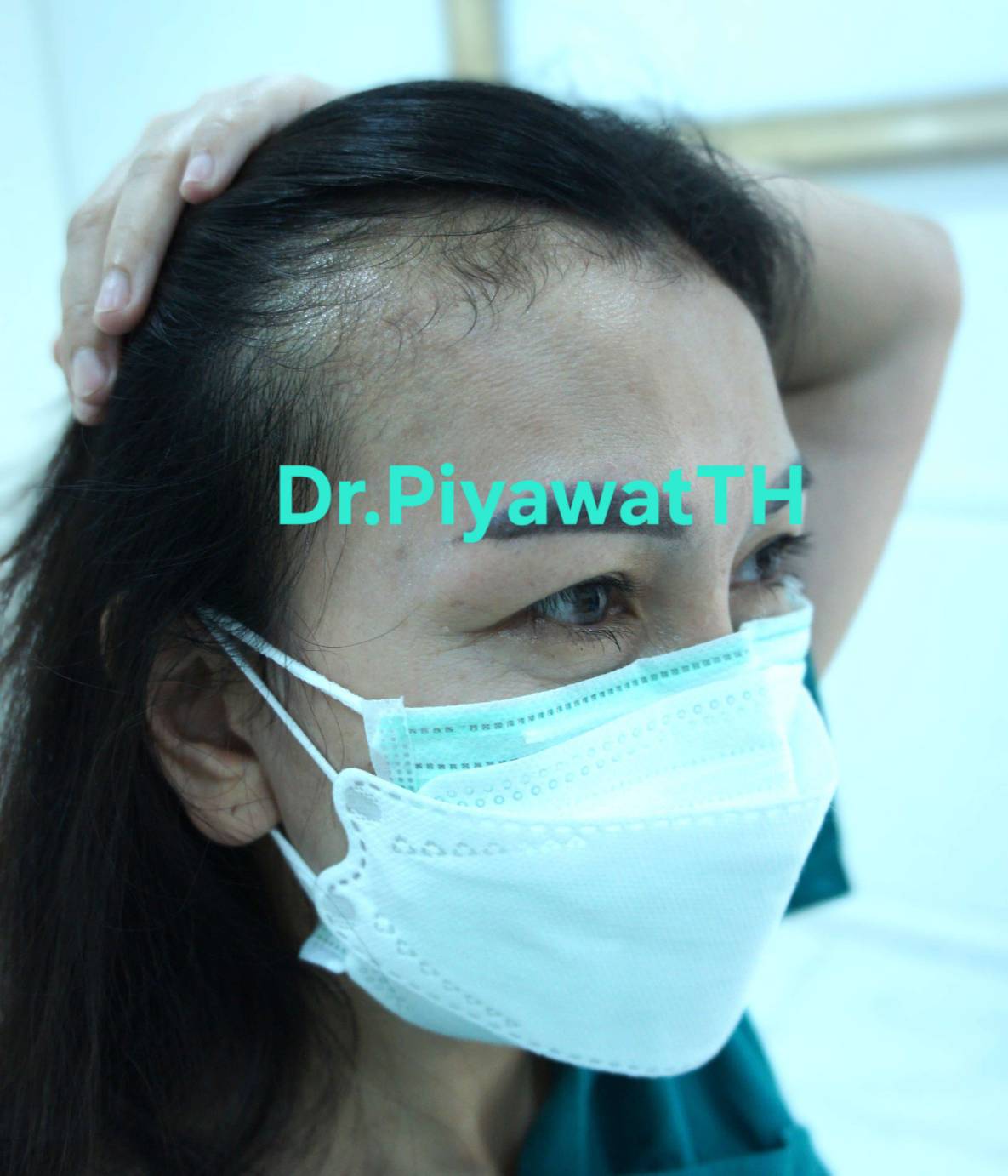
  • ผมบางบริเวณขมับโดยไม่ถึงขั้นล้าน เผยให้เห็นหน้าผากมากขึ้นเมื่อเสยผมกลับไป
  • เส้นผมค่อยๆ บางลงและเล็กลง
  • เส้นผมมีระยะห่างระหว่างกันมากขึ้น แต่ไม่หลุดร่วงจนหมด

อายุ:

  • มักเกิดขึ้นตั้งแต่อายุ 35 ปีขึ้นไป

ประวัติครอบครัว:

  • ไม่จำเป็นต้องมีประวัติในครอบครัว แต่ในกรณีที่มีประวัติในครอบครัว มักจะมีอาการรุนแรงมากกว่า

ผลตรวจทางห้องปฏิบัติการ:

  • ผลตรวจเลือดมักปกติ และไม่มีปัญหาสุขภาพแอบแฝง

สาเหตุ:

  • เชื่อว่าผมบางประเภทนี้เกี่ยวข้องกับการเปลี่ยนแปลงของฮอร์โมนเพศหญิง โดยเฉพาะฮอร์โมนเอสโตรเจน ซึ่งแตกต่างจากผมบางจากกรรมพันธุ์ที่เกี่ยวข้องกับฮอร์โมนเพศชาย (แอนโดรเจน)

ข้อมูลทางวิทยาศาสตร์:

  • ฮอร์โมนเอสโตรเจนมีบทบาทในการเจริญเติบโตของเส้นผม
  • ความหนาแน่นของเส้นผมลดลงเมื่ออายุมากขึ้น โดยความหนาแน่นของเส้นผมจะสูงสุดในช่วงอายุ 20–30 ปี และลดลงหลังจากนั้น
  • เส้นผมจะเล็กลงเมื่อระดับฮอร์โมนเอสโตรเจนลดลง
  • จำนวนเส้นผมลดลงอย่างชัดเจนหลังอายุ 40 ปี
Posted on

Thinning Hair on Temporal area in Female

ภาษาไทย Article by Dr.Piyawat POOMSUWAN

Symptoms:

  • Thinning at the temporal area without complete baldness, revealing more forehead when hair is brushed back.
  • Hair gradually becomes thinner and finer.
  • Hair shafts appear more spaced apart but do not fall out completely.

Age:

  • Often occurs from the age of 35 and older.

Family History:

  • It is not necessary to have a family history, but it trends to have more severity in family history cases.

Lab:

  • Blood tests are usually normal, and there are no underlying health issues.

Cause:

  • This type of hair thinning is believed to be related to changes in female hormones, particularly estrogen. This differs from hereditary hair loss, which is linked to male hormones (androgens).

Scientific Findings:

  • Estrogen plays a role in hair growth.
  • Hair density decreases with age, peaking between the ages of 20–30 and declining thereafter.
  • Hair shafts become finer as estrogen levels drop.
  • The number of hair shafts significantly decreases after the age of 40.
Posted on

สาเหตุของผมร่วงผมบางในผู้หญิง: ความจริงที่ควรรู้และวิธีรับมือ

บทความโดย นพ.ปิยะวํฒน์ ภูมิสุวรรณ
English

ผมร่วงและผมบางเป็นปัญหาที่พบได้บ่อยในผู้หญิงทุกวัยซึ่งอาจส่งผลต่อความมั่นใจและสุขภาพจิตใจของหลายคน สาเหตุของผมร่วงในผู้หญิงมีความซับซ้อนและหลากหลาย

บทความนี้จะพาคุณไปทำความเข้าใจถึงปัจจัยที่ทำให้เกิดปัญหา พร้อมแนะนำวิธีดูแลและป้องกันอย่างถูกต้อง

สาเหตุหลักของผมร่วงผมบางในผู้หญิง

  1. ฮอร์โมนและพันธุกรรม
  • การเปลี่ยนแปลงของฮอร์โมน เช่น ในช่วงตั้งครรภ์ หลังคลอด หรือวัยหมดประจำเดือน อาจทำให้ผมร่วงมากกว่าปกติ
  • พันธุกรรมสามารถมีผลต่อการเกิดภาวะผมบางแบบผู้หญิง (Female Pattern Hair Loss) ซึ่งมักเริ่มที่กลางศีรษะและกระจายออกด้านข้าง
  1. ความเครียดและปัญหาทางจิตใจ
  • ความเครียดทางร่างกายหรือจิตใจสามารถทำให้ผมหลุดร่วงได้ เช่น ภาวะ Telogen Effluvium ที่เกิดจากความเครียดทำให้ผมเข้าสู่ระยะพักพร้อมกัน
  • ปัญหาทางจิตใจ เช่น ภาวะวิตกกังวลหรือซึมเศร้า ก็ส่งผลต่อสุขภาพผมได้
  1. โรคและปัญหาสุขภาพ
  • โรคบางชนิด เช่น โรคไทรอยด์ โรคภูมิคุ้มกัน หรือโรคโลหิตจาง เป็นเหตุที่ทำให้ผมร่วงผมบางได้
  • การนอนไม่หลับ พักผ่อนน้อย ก็ส่งผลกระทบต่อผมร่วงผมบางเช่นกัน
  1. โภชนาการที่ไม่สมดุล
  • การขาดสารอาหารที่จำเป็น เช่น ธาตุเหล็ก สังกะสี ไบโอติน และโปรตีน
  • การลดน้ำหนักอย่างรวดเร็วหรือการทานอาหารที่ไม่มีคุณค่าทางโภชนาการ
  1. การใช้สารเคมีและความเสียหายจากการจัดแต่งผม
  • การใช้สารเคมี เช่น การย้อมผม ดัดผม หรือยืดผม กระตุ้นให้เกิดการระคายเคืองที่ศีรษะและรากผมซึ่งมีผลต่อการขึ้นและการเติบโตของเส้นผม หากมีความจำเป็นต้องดัดผม ย้อมผม ควรใช้ผลิตภัณฑ์ดูแลหนังศีระและรากผมหลังการทำสีหรือดัดผม เช่น Natural Hair Spray
  • การระคายเคืองจากผลิตภัณฑ์ที่ใช้เป็นประจำ เช่น แชมพู ครีมนวดผม การระคายเคืองนี้สามารถตรวพบได้ด้วยกล้องขยายไมโครสโครป หากคุณมีหนังศีรษะที่ไวต่อการระคายเคือง แนะนำให้ใช้แชมพูที่ปราศจากสารซัลเฟต ปราศจากน้ำหอมและสารเคมีกันบูด
  1.  อายุที่เพิ่มขึ้น
  • เมื่ออายุมากขึ้น วงจรการเจริญเติบโตของเส้นผมจะสั้นลง ทำให้ผมบางและหลุดร่วงง่ายขึ้น การได้รับทรีตเมนต์อย่างสม่ำเสมอจะช่วยยืดอายุเส้นผมและจำนวนเส้นผมได้

วิธีดูแลและป้องกันปัญหาผมร่วงผมบาง

  1. ดูแลสุขภาพจากภายใน
  • รับประทานอาหารที่มีประโยชน์ เช่น ผักผลไม้ เนื้อปลา และธัญพืช
  • เสริมวิตามินที่จำเป็น เช่น ไบโอติน วิตามินดี ธาตุเหล็ก และผลิตภัณฑ์จากธรรมชาติที่ช่วยบำรุงผม
  1. จัดการความเครียด
  • ใช้เวลาในการผ่อนคลาย เช่น การทำสมาธิ โยคะ หรือออกกำลังกาย นอนหลับพักผ่อนให้เพียงพอ
  1. ใช้ผลิตภัณฑ์ดูแลเส้นผมที่เหมาะสม
  • เลือกแชมพูและครีมนวดที่อ่อนโยนและเหมาะกับสภาพผม ปราศจากสารซัลเฟต ปราศจากสารซิลิโคน ปราศจากน้ำหอมและสารเคมีกันบูด
  1. ปรึกษาแพทย์ผู้เชี่ยวชาญ
  • หากมีปัญหาผมร่วงเรื้อรัง ควรปรึกษาแพทย์ผู้เชี่ยวชาญด้านหนังศีรษะเพื่อวินิจฉัยและรักษาอย่างเหมาะสม
  • การรักษาด้วยเลเซอร์
    เมโสเธอราปี โลชั่น และยากิน ตามความเหมาะสมจะช่วยให้ผมหยุกร่วงและขึ้นกลับมาได้

สรุป

  • ผมร่วงผมบางในผู้หญิงอาจเกิดจากปัจจัยหลายอย่าง ทั้งฮอร์โมน ความเครียด สุขภาพ และการดูแลที่ไม่เหมาะสม
  • การเข้าใจสาเหตุและเลือกวิธีการดูแลที่ถูกต้องเป็นกุญแจสำคัญในการป้องกันและฟื้นฟูสุขภาพเส้นผมของคุณ
  • การปรึกษาแพทย์ผู้เชี่ยวชาญถือเป็นทางเลือกที่ดีที่สุดเพื่อหาสาเหตุและรักษาอย่างตรงจุด


บทความนี้หวังว่าจะช่วยให้คุณเข้าใจปัญหาผมร่วงได้มากขึ้น และพร้อมดูแลเส้นผมของคุณให้แข็งแรงและสุขภาพดี!

Posted on

Say Goodbye to Dullness: The Ultimate Guide to Brighten Your Skin

Article by Dr.Piyawat POOMSUWAN

Achieving radiant, bright skin is easier than you think!

This guide covers effective daily routines, professional treatments, and lifestyle changes to help you say goodbye to dullness and hello to glowing skin.

Daily Skincare Routine for Bright Skin

1. Cleanse Properly:

Use a gentle cleanser to remove impurities without stripping your skin’s natural moisture.

Look for Cleansing milk and Facial gel that are rich in natural extracts. Deeply cleanses the skin and nourishes the skin with natural moisturizer.


2. Exfoliate Regularly:

Chemical exfoliants like AHAs (2-4% glycolic acid) 1-2 times a week to slough off dead skin cells.

Avoid harsh scrubs that can irritate your skin.


3. Hydrate Your Skin:

Apply a moisturizer or serum containing hyaluronic acid to keep your skin plump and nourished.


4. Brightening Serums or Cream:

Incorporate serums or creams with Vitamin C and natural whitening agents to safely reduce pigmentation and even out your skin tone.


5. Always Wear Sunscreen:

Protect your skin from harmful UV rays with a broad-spectrum SPF 50 or higher.


Professional Treatments to Boost Radiance

1. Chemical Peels:

Mild peels with glycolic or lactic acid exfoliate deeply, leaving your skin smoother and brighter.


2. Laser Plus Multivitamin treatment:

Address stubborn pigmentation and enhance brightness with targeted laser therapy.

Multivitamin doesn’t just help brighten your skin. But it also helps capture free radicals from the laser.

USFDA approved laser is highly recommended for efficacy and safety reason.

3. BioGlow Rejuvenation:

A cutting-edge combination of laser brightening and stem cell rejuvenation for lasting radiance.


Lifestyle Habits for Brighter Skin

1. Stay Hydrated: Drink plenty of water daily to maintain skin elasticity and flush out toxins.


2. Eat a Skin-Healthy Diet: Include antioxidant-rich foods like berries, spinach, and green tea for a natural glow.


3. Get Enough Sleep: Aim for 7–8 hours of sleep each night to allow your skin to repair and renew. Natural supplements are highly recommended for sleeping problems.


4. Avoid Smoking and Excess Alcohol: These habits can lead to dull and dehydrated skin.


DIY Masks to Brighten Skin Naturally

1. Honey and Lemon Mask: Mix 1 teaspoon of honey with a few drops of lemon juice. Apply for 10 minutes and rinse.


2. Turmeric and Yogurt Mask: Combine a pinch of turmeric with 2 teaspoons of yogurt. Apply, leave for 15 minutes, and wash off.


3. Papaya and Honey Mask: Mash ripe papaya and mix with honey for a refreshing and brightening mask.


Glow-Up Starts Now!

By combining these daily practices, professional treatments, and simple lifestyle changes, you can achieve the luminous, bright skin you’ve always desired. Start your journey today and say goodbye to dullness for good!

Posted on

Causes of Hair Loss and Thinning Hair in Women: Essential Facts and How to Manage Them

Article by DR.Piyawat POOMSUWAN
ภาษาไทย

Hair loss and thinning hair are common problems among women of all ages, often affecting confidence and mental well-being. The causes of hair loss in women are complex and varied. This article will help you understand the factors behind this issue and offer guidance on proper care and prevention.


Main Causes of Hair Loss and Thinning Hair in Women

  1. Hormones and Genetics
  • Hormonal changes, such as during pregnancy, postpartum, or menopause, can cause excessive hair shedding.
  • Genetics may lead to Female Pattern Hair Loss, typically starting at the crown and spreading outward.
  1. Stress and Psychological Factors
  • Physical or emotional stress can cause conditions like Telogen Effluvium, where hair prematurely enters the resting phase.
  • Mental health issues such as anxiety or depression also negatively affect hair health.
  1. Health Conditions
  • Medical conditions like thyroid disorders, autoimmune diseases, or anemia can cause hair thinning.
  • Insufficient sleep or lack of rest also impacts hair health, contributing to hair loss.
  1. Nutritional Imbalance
  • Deficiencies in essential nutrients such as iron, zinc, biotin, and protein can lead to hair thinning.
  • Rapid weight loss or a diet lacking nutritional value can worsen the problem.
  1. Chemical Use and Damage from regular product
  • Chemical treatments like dyeing, perming, or straightening can irritate the scalp and weaken hair roots, impacting growth.
  • Irritation from products used regularly, such as shampoo or conditioner, can be detected using a microscopic examination. If your scalp is sensitive, use sulphate-free, fragrance-free, and natural preservative shampoos.
  1. Aging
  • As you age, the hair growth cycle shortens, leading to thinner, more fragile hair. Regular treatments can help extend the lifespan and density of your hair.

Tips for Managing and Preventing Hair Loss

  1. Nourish from inside
  • Eat a healthy diet rich in vegetables, fruits, fish, and whole grains.
  • Take essential supplements like biotin, vitamin D, and iron, or use natural hair-nourishing supplements.
  1. Manage Stress
  • Relax through activities like meditation, yoga, or regular exercise.
  • Get enough sleep to allow your body to recover.
  1. Use Suitable Hair Care Products
  • Choose gentle shampoos and conditioners suitable for your hair. Look for products free of sulfates, silicones, fragrances, and preservatives.
  1. Consult a Specialist
  • If hair loss persists, seek advice from a specialist for proper diagnosis and treatment.
  • Treatments such as laser therapy, mesotherapy, topical lotions, and oral medications can help stop hair loss and promote regrowth.

Conclusion

  • Hair loss and thinning hair in women can result from various factors, including hormones, stress, health issues, and improper care.
  • Understanding the causes and adopting the right care strategies is key to preventing and restoring healthy hair.
  • Consulting a specialist is the best option for accurately identifying the cause and receiving effective treatment.

This article aims to help you better understand hair loss and equip you to care for your hair, ensuring it remains strong and healthy!